A good rosacea skincare routine is short, gentle and steady. If your cheeks flush easily, sting after cleansing or stay pink for hours, fewer products usually work better than more.
This guide walks you through a calm morning and evening plan, the ingredients to skip and the signs that need a doctor. Skincare supports daily comfort, but it does not replace a diagnosis or treatment from a dermatologist.
Key takeaways
- Keep your rosacea skincare routine to a few steps: cleanse, soothe, moisturize and protect.
- Sunscreen every morning is one of the most helpful habits for red, reactive skin.
- Skip scrubs, washcloths, fragrance, menthol, alcohol and strong acids.
- Patch test every new product for 7 to 10 days before it goes on your face.
- See a dermatologist for sore eyes, thickening skin, painful bumps or redness that keeps spreading.
What rosacea looks like and why gentle skincare matters
Rosacea is a long-term skin condition. It often shows up as flushing, lasting redness, small visible blood vessels or acne-like bumps on the cheeks, nose, chin and forehead. On deeper skin tones, the color can look more violet or brown than red. Some people also notice dry, gritty or irritated eyes.
Because rosacea-prone skin reacts quickly, the goal of daily care is simple. You want to calm the feel of the skin, support its moisture barrier and avoid the things that set off a flare. A dermatologist should confirm the diagnosis, since rosacea can look a lot like acne or seborrheic dermatitis. The American Academy of Dermatology overview of rosacea describes the main signs in more detail.
Common flare triggers
- Sun, heat and hot showers
- Spicy food, hot drinks and alcohol
- Stress and intense exercise
- Wind and cold, dry air
- Products with fragrance, alcohol, menthol or strong acids
Triggers differ from person to person. For that reason, a simple diary of flares and what came before them often tells you more than any general list.
Rosacea skincare ingredients to look for and skip
Labels matter more for rosacea than for most skin types. The safest picks are short formulas made for sensitive skin. In contrast, products that tingle, cool or burn on contact tend to cause trouble.
| Usually well tolerated | Often irritating for rosacea-prone skin |
|---|---|
| Mild, fragrance-free cleansers | Fragrance and essential oils |
| Simple moisturizers with soothing extracts | Denatured alcohol high on the label |
| Hyaluronic acid and glycerin for water | Menthol, camphor and peppermint |
| Mineral sunscreen with zinc oxide or titanium dioxide | Glycolic and lactic acid peels |
| Tinted SPF to soften the look of redness | Grainy scrubs, brushes and washcloths |
Unscented and fragrance-free do not mean the same thing. Some unscented products still contain masking scents, so read the full ingredient list. Also, if you are pregnant or breastfeeding, check with your doctor before you use acids, retinoids or brightening products.
A step-by-step rosacea skincare routine for morning and night
Keep the steps few and the touch light. Use lukewarm water, your fingertips and a soft towel that you pat, not rub.
- Morning cleanse: Wash with a mild cleanser and lukewarm water, then rinse well. Leftover cleanser can sting.
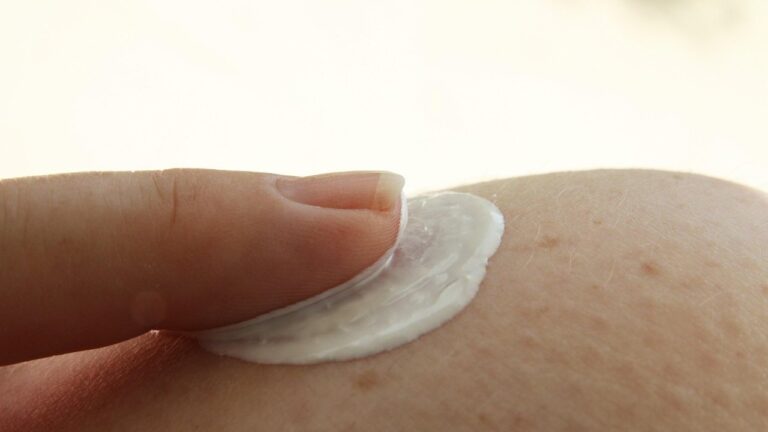
- Soothing layer: Apply a thin layer of a calming cream for red, reactive skin. Press it in rather than massaging.
- Moisturizer: Add a light, fragrance-free moisturizer if your skin still feels tight.
- Sunscreen: Finish with a broad-spectrum SPF 30 or higher, even on cloudy days. A tinted formula can also even out the look of redness.
- Evening cleanse: Remove sunscreen and makeup with the same mild cleanser. Avoid wipes that need hard rubbing.
- Night care: Apply your soothing cream and moisturizer, then let your skin rest. Skip new actives while your skin feels reactive.
If a doctor has prescribed a cream, ask where it fits in this order. Usually the prescribed product goes on clean skin first, and the moisturizer follows once it has absorbed.
Sun protection: the rosacea skincare step that matters most
UV light is one of the most common rosacea triggers. So daily sunscreen matters, even in winter. Choose a broad-spectrum SPF 30 or higher, and reapply when you spend long stretches outdoors.
Mineral filters such as zinc oxide and titanium dioxide often feel easier on sensitive skin. In addition, a wide-brimmed hat and shade cut down the heat that can trigger flushing. A tinted sunscreen is a handy two-in-one when you want softer-looking redness without extra layers. The AAD’s skin care tips for rosacea also put sun protection near the top of the list.
Products that fit this routine
These picks from our store fit a gentle rosacea skincare routine like the one above. Patch test each one first, and add only one new product at a time.
- Redness-Calming Kit: a ready set of Kiwi Soap, Redness-Calming Cream and Sun Block, with a simple morning and night plan for red, reactive skin.
- Redness-Calming Cream: a cream developed for red-looking, inflamed-feeling skin that soothes the feel of sensitive skin and helps protect it from dryness.
- Clear Soap Kiwi: a foaming cleanser with vitamin E that the brand recommends for rosacea-prone and seborrhea-prone skin.
- Azulene Moisturizer: a moisturizer with azulene from chamomile flowers, made for sensitive, irritated and dehydrated skin.
- Sun Block SPF-50 (Demi Makeup) Light Tone: a lightweight, oil-free SPF 50 with a tint that protects from UVA and UVB rays.
Common mistakes
- Scrubbing with a washcloth, brush or grainy exfoliant on flushed skin.
- Trying several new products in the same week, which makes it hard to spot the one that stings.
- Skipping sunscreen on cloudy or winter days.
- Washing with hot water or taking long, hot showers.
- Attacking rosacea bumps with harsh, drying acne products.
- Waiting months before seeing a doctor while redness keeps spreading.
When to see a dermatologist
Home care helps you feel more comfortable, but rosacea needs a proper diagnosis. Book a visit with a dermatologist or doctor if you notice any of these signs:
- Your eyes feel gritty, burn, look red or become sensitive to light.
- The skin on your nose or cheeks starts to thicken or look bumpy.
- Painful, pus-filled bumps keep coming back.
- Redness spreads, burns or does not settle after a few weeks of gentle care.
- A rash appears with fever, joint pain or a butterfly shape across both cheeks.
- You cannot tell whether you have rosacea, acne or another condition.
A dermatologist can offer options that skincare cannot, such as prescription creams, oral medicine or light-based procedures.
Frequently asked questions
Can a skincare routine make rosacea go away?
No. Rosacea is a long-term condition, and no cream can make it go away for good. A gentle rosacea skincare routine can help your skin feel calmer, support its barrier and reduce the number of things that set off a flare. For a clear diagnosis and medical treatment, see a dermatologist. Many people combine both: care from a doctor and simple daily skincare at home.
Is it OK to exfoliate rosacea-prone skin?
Most people with rosacea do better without scrubs, brushes or strong acid peels. These can leave the skin red and stinging for days. If flaky patches bother you, ask a dermatologist first. In the meantime, focus on a mild cleanser and a good moisturizer, which often soften dry flakes on their own. If you are pregnant or breastfeeding, check with your doctor before using any acids.
What kind of sunscreen is best for rosacea?
Look for a broad-spectrum, fragrance-free sunscreen with SPF 30 or higher that feels light on the skin. Mineral filters such as zinc oxide and titanium dioxide are often easier to tolerate. A tinted formula can also tone down the look of redness, so you may need less makeup. Apply it every morning and reapply when you spend time outdoors.
How long before a new rosacea routine shows a difference?
Give a new routine at least four to six weeks, as long as nothing stings or burns. Skin needs time to settle once you remove harsh products. Track flares in a simple diary so you can spot patterns. However, if your skin gets worse, or your eyes become irritated, stop the new product and see a dermatologist.
Can I wear makeup with rosacea?
Yes. Many people with rosacea wear makeup comfortably. Choose fragrance-free, water-based or powder formulas, and patch test them like any other product. A green-tinted primer or concealer can help balance the look of redness. At night, remove everything with a mild cleanser and lukewarm water instead of rubbing with wipes.
A rosacea skincare routine works best when it stays a little boring: the same few gentle products, every day, with sunscreen each morning. Browse our rosacea products, or read our guide to patch testing and a minimal routine before you add anything new. Not sure which products fit your skin? Send us a message and we will help you choose.