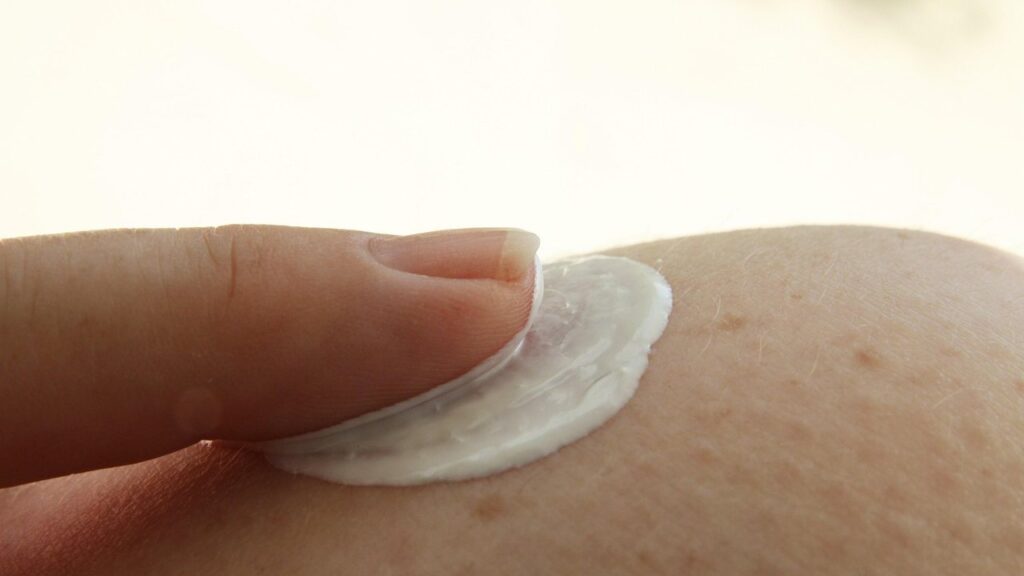
Good eczema prone skin care is mostly about protecting the skin barrier, the thin outer layer that keeps water in and irritants out. When that barrier is weak, skin dries out fast, itches and reacts to things other people never notice.
This guide shows you how to care for eczema-prone skin with a simple, barrier-friendly routine, which habits help and when to see a doctor. Skincare supports daily comfort, but it does not replace a diagnosis or treatment by a dermatologist or doctor.
Key takeaways
- Moisturize at least twice a day, and within a few minutes of every bath or shower.
- Thicker creams and ointments usually protect better than thin lotions.
- Keep showers short and lukewarm, then pat your skin dry.
- Fragrance-free products, soft cotton clothing and a mild cleanser help cut down on flares.
- See a doctor quickly if skin oozes, crusts or blisters, or if you have a fever.
What eczema-prone skin really means
Eczema is a group of conditions that make skin dry, itchy and inflamed. The most common type is atopic dermatitis, which often starts in childhood and runs in families with asthma or hay fever. Patches tend to appear in the creases of the elbows and knees, and on the hands, neck and face. On darker skin, they may look brown, purple or gray rather than red.
Eczema-prone skin has a barrier that loses water more easily. As a result, it dries out, cracks and lets irritants in. That leads to itching, then scratching, which damages the barrier further. Daily care for eczema-prone skin aims to break that cycle. The NHS guide to atopic eczema explains the condition and its medical treatments in more detail.
Common triggers for eczema-prone skin
- Harsh soaps, bubble bath and foaming washes that strip natural oils
- Fragrance in skincare, laundry detergent and fabric softener
- Wool and rough synthetic fabrics
- Cold, dry air, central heating and sudden temperature changes
- Sweat, heat and stress
- Dust mites, pet dander or pollen for some people
The building blocks of eczema prone skin care
Think of your routine in three layers: clean gently, add moisture, then seal it in. Everything else is optional. The moisturizer is the step that matters most, and its texture makes a real difference.
| Moisturizer type | Texture | When it works best |
|---|---|---|
| Lotion | Thin, light, mostly water | Mild dryness on large areas in warm weather |
| Cream | Thicker and richer, absorbs slowly | Daily use on the face and body for most eczema-prone skin |
| Ointment | Greasy, oil-based, very protective | Very dry, cracked patches, hands and night use |
Most people do well with a cream by day and a richer cream or ointment at night. Choose fragrance-free formulas with short ingredient lists. Also, patch test any new product on a small area of your inner arm for 7 to 10 days. Our patch test guide walks you through it step by step.
Step-by-step care for eczema-prone skin
- Cleanse briefly: Use a mild, fragrance-free cleanser only where you need it, with lukewarm water. Skip hot water, which pulls oils from the skin.
- Keep baths short: Five to ten minutes is enough. Then pat your skin with a soft towel and leave it slightly damp.
- Moisturize within three minutes: Apply your cream while the skin is still damp to help trap water.
- Calm active patches: Apply any product for itchy areas on clean skin, following the label or your doctor’s plan.
- Protect by day: On the face, finish with a fragrance-free sunscreen once your moisturizer has settled.
- Repeat at night: Reapply moisturizer before bed, with a thicker layer on the driest spots.
Hands need extra attention. Moisturize after every hand wash, and wear cotton-lined gloves for dishes and cleaning.
Daily habits that ease the itch
- Keep nails short and smooth, so night scratching does less damage.
- Press a cool, damp cloth on itchy patches instead of scratching.
- Wear soft cotton next to your skin, and wash new clothes before you wear them.
- Choose fragrance-free laundry detergent and skip fabric softener.
- Run a humidifier in dry, heated rooms during winter.
- Rinse off sweat soon after exercise, then moisturize.
Stress can also make itching feel worse. Gentle exercise, good sleep and short breathing breaks will not fix eczema, but they can make flares easier to manage.
Products that fit this routine
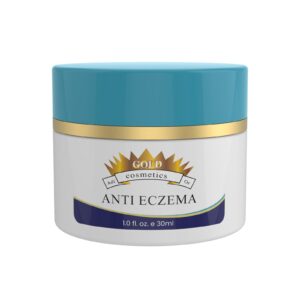
These products from our eczema range fit the steps above. Patch test first, and stop if anything stings or burns.
- Comfort Kit for Dry, Itchy-Feeling Skin: Bleach Soap and Comfort Liquid, a two-step set for milder patches; you apply the liquid once a day to clean skin with a cotton swab.
- Comfort Kit for Dry, Itchy-Feeling Skin — Intensive: Bleach Soap, Comfort Liquid and Intensive Comfort Cream together, for skin that needs both nourishing and extra moisture.
- Intensive Comfort Cream: a once-a-day cream that moisturizes and nourishes, made to comfort the feel of itchy, dry skin.
- Comfort Liquid: a liquid you dab onto clean skin once a day, made to nourish the skin and restore a healthier look.
- Vera Gold +PANTHENOL: a rich lotion with aloe vera, panthenol (pro-vitamin B5) and jojoba oil that soothes and cools skin that feels itchy from dryness.
Common mistakes
- Taking long, hot showers, especially in winter.
- Rubbing skin dry with a rough towel.
- Moisturizing only once the skin already feels tight.
- Switching products often, so your skin never settles.
- Using fragranced lotions, essential oils or “natural” balms without a patch test.
- Stopping prescribed treatment on your own as soon as the skin looks better.
When to see a dermatologist
Eczema needs medical care when home routines are not enough. See a doctor or dermatologist if:
- The skin oozes, weeps yellow fluid, forms golden crusts or feels hot and painful.
- Clusters of painful blisters or small open sores appear, especially with a fever. This needs same-day care.
- Itching keeps you or your child awake at night.
- Patches spread, crack and bleed, or do not improve after two weeks of steady care.
- Eczema appears on or around the eyes, or your vision changes.
- You cannot tell whether the rash is eczema, an allergy, psoriasis or a fungal infection.
A dermatologist can prescribe options that a cosmetic routine cannot, such as anti-inflammatory creams. They can also arrange allergy patch testing when contact dermatitis seems likely.
Frequently asked questions
What is the best moisturizer for eczema-prone skin?
The best one is the one you will use often. In general, fragrance-free creams and ointments protect better than thin lotions, because they hold water in the skin longer. Look for short ingredient lists and avoid added perfume and essential oils. Apply it at least twice a day and right after bathing, while your skin is still slightly damp.
Is eczema contagious?
No. Eczema is not an infection, so you cannot catch it or pass it on. However, broken, scratched eczema skin can pick up bacteria or viruses, and those infections can spread. That is why oozing, crusting or sudden painful blisters need a doctor quickly. Short nails and good moisturizing help protect the skin.
Can I use these products on my child?
Children’s skin is more delicate, and childhood eczema needs a doctor’s guidance. Before you use any cosmetic product on a child, including ours, check with your pediatrician or dermatologist. They can suggest the right moisturizer and explain how to handle flares safely. For babies and toddlers, never start a new product without medical advice.
Should I exfoliate eczema-prone skin?
Usually not. Scrubs, brushes and strong acids can damage an already weak barrier and set off a flare. If rough patches bother you, focus on daily moisturizing instead, which often softens them over time. Ask your dermatologist before you try any exfoliant. If you are pregnant or breastfeeding, also check with your doctor before using acids or retinoids.
How long does it take to see a difference?
Many people find their skin feels more comfortable within a few weeks of steady moisturizing and fewer irritants. Even so, eczema tends to flare and settle in cycles, so a calm month does not mean the condition is gone. Keep your routine going on good days. If you see no change after two weeks, talk to a doctor.
Eczema-prone skin care works best with a routine that rarely changes: gentle cleansing, plenty of moisture and few irritants. Explore our eczema products, and read our guide to dry versus dehydrated skin if your face feels tight between flares. Not sure which products fit your skin? Send us a message and we will help you choose.