Knowing the difference between dry vs dehydrated skin can save you a lot of wasted products. Both can feel tight and look dull, but they need different kinds of help.
In short, dry skin lacks oil, while dehydrated skin lacks water. This guide shows you how to tell them apart, what to use for each and when dryness needs a doctor. Skincare supports daily comfort, but it does not replace a diagnosis or treatment from a dermatologist.
Key takeaways
- The dry vs dehydrated skin question comes down to one thing: oil or water.
- Dry skin is a skin type with too little oil, while dehydrated skin is a passing state that can affect even oily skin.
- Dehydrated skin likes humectants such as hyaluronic acid and glycerin.
- Dry skin also needs richer creams and oils to seal moisture in.
- Skin that cracks, bleeds or itches and does not improve deserves a dermatologist’s look.
Dry vs dehydrated skin: the key difference
Dry skin makes too little sebum, the natural oil that keeps the surface soft and sealed. It is often a lifelong skin type, and it tends to increase with age. Without enough oil, water escapes more easily, so the skin feels rough and tight and may flake.
Dehydrated skin, on the other hand, has too little water in its outer layers. It can happen to any skin type, including oily and acne-prone skin. Hot showers, harsh cleansers, too much exfoliating, air conditioning, winter heating and sun all play a part. The good news is that dehydration is usually temporary and responds quickly to the right care.
Dry vs dehydrated skin: the signs side by side
| Sign | Dry skin | Dehydrated skin |
|---|---|---|
| Oil level | Low, rarely looks shiny | Can be normal or oily, with shine |
| Texture | Rough, flaky, sometimes scaly | Fine, crepey lines that come and go |
| Feel | Tight most of the time, often itchy | Tight after washing, yet may still get oily |
| Pores | Usually small | Can look more visible |
| What changes it | Age and season, but it stays a dry type | Weather, products and daily habits |
| How it reacts to oils | Feels much better | May feel greasy while still feeling tight |
A quick check for dry or dehydrated skin
Wash your face with a mild cleanser, pat dry and wait 30 minutes without applying anything. Then look closely in daylight:
- If your whole face feels tight and looks matte or flaky, you probably have dry skin.
- When your face feels tight but your T-zone still gets shiny, dehydration is more likely.
- Gently push up the skin of your cheek, and watch for fine crisscross lines that appear and fade.
Many people have both at once: a dry skin type that is also dehydrated. In that case, you need water and oil together. This check is only a rough guide, so let your skin’s response to care have the final word.
What to use for dry vs dehydrated skin
The right fix depends on what your skin is missing. Start with the part that matches your check above, or use both if you have both.
When skin is dehydrated, not dry
Dehydrated skin needs water first. Humectants pull water into the skin’s outer layers, so look for hyaluronic acid, glycerin, aloe vera or panthenol. Apply them to slightly damp skin, then follow with a light moisturizer to keep that water from evaporating.
- Switch to a gentle, non-stripping cleanser and lukewarm water.
- Cut back on exfoliating acids and scrubs while your skin recovers.
- Run a humidifier in heated or air-conditioned rooms.
- Wear sunscreen daily, since UV exposure also dries the skin.
When skin is dry, not just dehydrated
Dry skin needs oil and protection. Emollients such as plant oils, shea butter and fatty acids soften rough patches. Richer creams then form a light seal that slows water loss. You can still use a hydrating serum underneath, but a thin gel alone rarely feels like enough.
The American Academy of Dermatology’s dry skin tips include short, warm showers, patting the skin dry and moisturizing right after bathing. For very dry skin, fragrance-free creams or ointments are usually a better choice than thin lotions. If your dry skin also itches and flares in patches, our guide to eczema-prone skin goes deeper into barrier care.
A simple routine for dry or dehydrated skin
- Cleanse gently: In the morning, splash with lukewarm water or use a mild cleanser. Avoid foaming washes that leave skin squeaky.
- Hydrate: While your skin is still damp, press in a hyaluronic acid serum or a hydrating lotion.
- Moisturize: Use a light cream for dehydrated skin, or a richer one for dry skin.
- Protect: Finish with a broad-spectrum SPF 30 or higher every morning.
- Evening: Cleanse once, repeat the hydrating step, then apply a nourishing night cream.
- Once or twice a week: Use a gentle exfoliant only if your skin is calm, and skip it if anything stings.
If you are pregnant or breastfeeding, check with your doctor before using exfoliating acids, retinoids or brightening products. If your skin reacts easily, patch test new products first, as our patch test guide explains.
Products that fit this routine
These products from our store match the steps above. Choose lighter textures for dehydration and richer ones for dry skin.
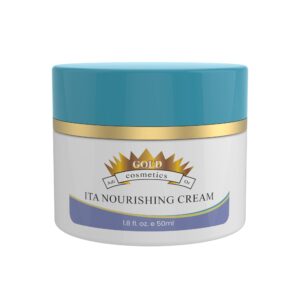
- Dry Skin Kit: Bleach Soap, Anti-Aging, Ita Nourishing Cream, Silky Serum and Sun Block, with a full morning and night plan for dry skin.
- SILKY SERUM FOR FACE: an ultra-lightweight, fragrance-free moisturizing serum that gives plumping hydration without a greasy feel.
- Azulene Moisturizer: an intensive moisturizer for very dry, sensitive and dehydrated skin, with soothing azulene from chamomile flowers.
- Ita Nourishing Cream: a light, non-greasy daily cream that nourishes and comforts dry skin and does not clog pores.
- Crema De Leche: a goat milk cream rich in fatty acids that hydrates dry and sensitive skin and helps the look of elasticity.
Common mistakes
- Reaching for heavy oils when your skin is actually oily but dehydrated.
- Washing with hot water or foaming cleansers that strip the skin.
- Over-exfoliating to remove flakes, which weakens the barrier further.
- Applying hyaluronic acid to bone-dry skin in dry air with no moisturizer on top.
- Skipping moisturizer because your skin also breaks out.
When to see a dermatologist
Most dryness improves with better habits. Still, see a dermatologist or doctor if:
- Your skin cracks, bleeds or shows signs of infection, such as oozing, crusting or swelling.
- Itching keeps you awake or does not ease with regular moisturizing.
- Red, scaly or thick patches appear, which may point to eczema, psoriasis or a fungal infection.
- Dryness does not improve after two to three weeks of good daily care.
- Very dry skin comes with tiredness, weight changes or feeling cold, which can point to a thyroid problem.
- Large areas of your body become dry and itchy without a clear cause.
A doctor can check for underlying causes and prescribe treatment when a cosmetic routine is not enough.
Frequently asked questions
Can oily skin be dehydrated?
Yes. Oil and water are two different things. Oily skin can make plenty of sebum and still lack water in its outer layers, especially after harsh cleansers or drying acne products. You may notice shine and tightness at the same time. Light, water-based hydrators with hyaluronic acid or glycerin usually help without making the skin feel greasy.
Does drinking more water fix dehydrated skin?
Drinking enough water matters for your overall health. However, extra glasses alone rarely fix tight, dehydrated skin. The outer layer of your skin loses water to dry air, hot water and harsh products, so topical hydration and a moisturizer that slows water loss make a bigger day-to-day difference. Keep both habits.
Is hyaluronic acid good for dry or dehydrated skin?
It helps both, but dry skin needs more than that. Hyaluronic acid draws water into the skin, which makes it ideal for dehydration. Dry skin also needs oils and richer creams to seal that water in. Apply hyaluronic acid to damp skin, then follow with a nourishing moisturizer. In very dry air, the cream on top matters even more.
How quickly does dehydrated skin improve?
Dehydration often responds within days to a week once you remove the cause and add hydration. Dry skin is a type, so it needs ongoing care rather than a quick fix. If your skin stays rough, cracked or itchy after two to three weeks of a gentle routine, ask a dermatologist to take a look.
Once you have sorted out dry vs dehydrated skin, choosing products gets much easier, because you know whether you need water, oil or both. Browse our products for dry skin and our moisturizers. Not sure which products fit your skin? Send us a message and we will help you choose.