A good sensitive skin routine starts with fewer products, not more. If your face stings, burns, itches or turns red after skincare, the safest plan is to strip things back and add products one at a time.
This guide shows you how to patch test properly, how to build a minimal three-step routine and which signs mean you should see a dermatologist. Skincare can support comfort, but it does not replace a diagnosis by a dermatologist or doctor.
Key takeaways
- A sensitive skin routine can be as simple as cleanser, moisturizer and sunscreen.
- Patch test every new product on your inner arm for 7 to 10 days, then on a small area of your face.
- Add only one new product every two weeks so you can tell what works.
- Fragrance, essential oils, alcohol and strong acids are the most common troublemakers.
- Swelling, blisters or hives after a product need medical attention.
What sensitive skin actually means
Sensitive skin is not a medical diagnosis. It describes skin that reacts easily, with stinging, burning, tightness, itching or redness after products, weather or touch. Sometimes there is nothing to see at all, yet the skin still feels uncomfortable.
In many cases, sensitivity comes from a weaker skin barrier. In others, it points to a condition such as rosacea, eczema or an allergy to one ingredient. If your face also flushes and stays red, our rosacea routine may fit you better. For dry, itchy patches, read our guide to eczema-prone skin.
Irritation or allergy?
| Irritation | Allergic reaction | |
|---|---|---|
| When it starts | Within minutes or hours | Often one to three days after contact |
| How it feels | Stinging, burning, tightness | Strong itching |
| How it looks | Redness, dryness or flaking where you applied the product | A red, bumpy or blistered rash that can spread past that spot |
| Common causes | Acids, retinoids, alcohol, scrubs, over-washing | Fragrance, some preservatives, some plant extracts |
| What to do | Stop the product and let skin settle | Stop the product and see a dermatologist |
How to patch test a new product
A patch test will not catch every problem, but it lowers the risk of a full-face reaction. The American Academy of Dermatology describes a simple home test along these lines:
- Pick a spot: Use the inner arm or the crease of your elbow, where the product will not rub off.
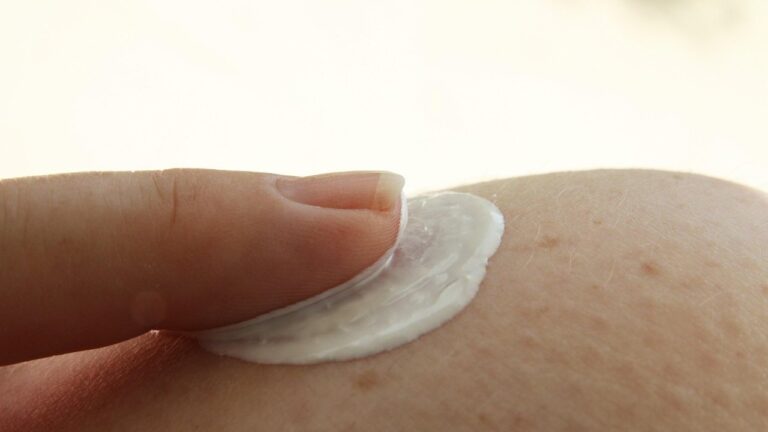
- Apply a normal amount: Dab on a small amount, about as thick as you would use on your face.
- Repeat for 7 to 10 days: Apply it twice a day, because some reactions take several days to show.
- Check, then move up: If the area stays calm, test a small spot on your jawline or behind the ear for a few more days.
- Stop at the first sign of trouble: Gently wash it off if you see redness, itching or swelling, and do not use it again.
Keep in mind that some actives, such as retinol or glycolic acid, can cause mild tingling at first, even on calm skin. For sensitive skin, though, it is usually wiser to leave them out until your basic routine has settled.
How to build a minimal sensitive skin routine
Start with three products and nothing else for at least two weeks. Then, if your skin is calm, add one extra step and wait another two weeks before the next one.
- Morning cleanse: Rinse with lukewarm water, or use a gentle cleanser if your skin feels oily. Pat dry with a soft towel.
- Morning moisturizer: Apply a fragrance-free moisturizer made for sensitive or dry skin.
- Sunscreen: Finish with a broad-spectrum SPF 30 or higher. Mineral filters such as zinc oxide often sting less.
- Evening cleanse: Wash once with a mild cleanser to remove sunscreen and the day’s buildup.
- Evening moisturizer: Apply the same moisturizer, or a richer one if your skin feels tight at night.
That is the whole routine. Serums, masks and exfoliants can come later, one at a time. If you are pregnant or breastfeeding, check with your doctor before adding acids, retinoids or brightening products.
Label red flags for reactive skin
- Fragrance or parfum, including “natural” scents and essential oils
- Denatured alcohol high on the ingredient list
- Menthol, camphor, peppermint and eucalyptus
- Strong exfoliating acids and high-strength retinoids
- Gritty scrubs and cleansing brushes
On the other hand, short ingredient lists, soothing extracts and simple humectants such as glycerin or hyaluronic acid are usually easier to tolerate. Still, any ingredient can bother someone, so the patch test matters more than the label.
Products that fit this routine
These products from our store suit a short, calm routine. Patch test each one, and add them one at a time.
- Sensitive Skin Kit: Bleach Soap, Carrot Moisture and Sun Block in a simple morning and night set that the brand lists as suitable for dry and sensitive skin.
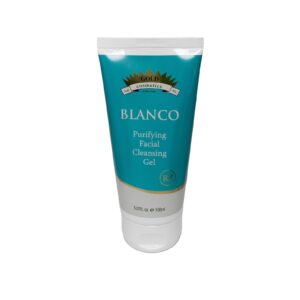
- BLANCO purifying facial cleansing gel: a gentle facial wash gel that cleanses and leaves the skin feeling pleasant and refreshed.
- Azulene Moisturizer: a soothing moisturizer with azulene from chamomile flowers, made for sensitive, irritated and dehydrated skin.
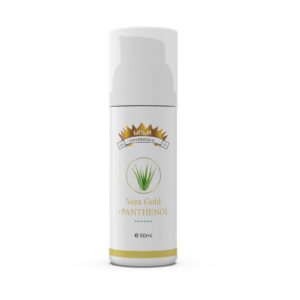
- Vera Gold +PANTHENOL: an aloe vera, panthenol and jojoba oil lotion that soothes and cools skin that feels red or itchy from dryness.
- Sun Block SPF-50 (Demi Makeup) Light Tone: a lightweight, oil-free SPF 50 with a tint for daily UVA and UVB protection.
Common mistakes
- Buying a full new routine at once, which makes any reaction impossible to trace.
- Skipping the patch test because a product says “gentle” or “natural”.
- Over-cleansing, double cleansing or using hot water.
- Layering several actives, such as acids, retinol and vitamin C, on the same night.
- Ignoring a mild reaction and hoping your skin will get used to it.
When to see a dermatologist
Most mild stinging settles once you stop the product. However, some reactions need a doctor:
- Your lips, eyelids or face swell, or you have trouble breathing. Seek emergency care right away.
- Blisters, oozing or hives appear after you use a product.
- A reaction lasts more than a few days after you stop the product.
- You seem to react to almost everything, which may point to a contact allergy.
- Redness stays for weeks, or you see visible blood vessels, bumps or scaly patches.
- Itching disturbs your sleep or daily life.
A dermatologist can run formal patch tests with common allergens. Once you know your exact trigger, every future product choice gets easier.
Frequently asked questions
How many products should a sensitive skin routine have?
Start with three: a gentle cleanser, a fragrance-free moisturizer and a sunscreen. That covers what most skin needs every day. Once your skin has stayed calm for two weeks or more, you can add one extra product, such as a soothing serum. Fewer products mean fewer chances of a reaction and an easier time finding the cause.
How long should I patch test a new product?
Plan on 7 to 10 days on the inner arm, applying the product twice a day. Then test it on a small area of your face, such as the jawline, for a few more days. Allergic reactions can take a day or more to appear, so a single quick test is not enough to rule them out.
Are natural products better for sensitive skin?
Not always. Plant extracts and essential oils are among the more common causes of skin allergies. The word natural also says nothing about fragrance or strength. Choose products by their full ingredient list and by how your skin responds in a patch test, not by marketing words on the front of the bottle.
Can sensitive skin become less sensitive over time?
Often, yes. When you stop using harsh products and protect the barrier with gentle care, many people find their skin reacts less. Sun protection, lukewarm water and a stable routine all help. However, if your sensitivity comes from rosacea, eczema or an allergy, you may need medical care to see real change.
Sensitive skin calms down when you give it fewer surprises. Explore our products for sensitive skin, patch test each one, and build your routine slowly. Not sure which products fit your skin? Send us a message and we will help you choose.