Vitamin C skincare has earned its popularity. This antioxidant helps brighten the look of dull skin, supports a more even-looking tone and pairs well with sunscreen. But how and when you apply it makes a big difference to what you get from it.
This guide explains what vitamin C does in skincare, how to use it in the morning and at night, and how to avoid the irritation that makes people give up too soon.
Key takeaways
- Vitamin C is an antioxidant that helps the look of dullness and uneven tone.
- Morning use under sunscreen is the classic approach, because it adds antioxidant support during the day.
- Night use works too, especially in a cream or when your mornings are busy.
- Vitamin C does not replace sunscreen, so use SPF 30 or higher on top.
- Store it away from heat and light, and patch test first if your skin is sensitive.
What does vitamin C do for your skin?
Vitamin C, often listed as ascorbic acid or one of its derivatives, is an antioxidant. Antioxidants help protect skin from free radicals, the unstable molecules that sun and pollution create. Over time, free radical damage shows up as dullness, uneven tone and fine lines.
In skincare, vitamin C is popular for three main reasons:
- Brightness: it helps dull, tired-looking skin look more radiant.
- Even tone: it can help the look of dark spots and discoloration over time.
- Firmness: vitamin C plays a role in the skin’s own collagen production, which supports a smoother look.
The American Academy of Dermatology lists vitamin C among the over-the-counter ingredients that can help with dark spots. Keep in mind that results build slowly, over weeks and months. If uneven tone is your main concern, see our guide on how to fade dark spots on your face.
Serum or cream? Choosing a vitamin C skincare format
Vitamin C skincare products come in serums, creams and even cleansers. Each one has a place, so pick the texture you will enjoy using every day.
| Format | Feel | Best for | Tip |
|---|---|---|---|
| Serum | Light and fast-absorbing | Layering under moisturizer and sunscreen | Apply to dry skin right after cleansing |
| Day cream | Moisturizing | Simple routines with fewer steps | Still add a separate SPF 30 or higher |
| Night cream | Richer | Dry or mature skin and busy mornings | Keep strong acids for a different night |
| Eye cream | Gentle | The thin skin around the eyes | Tap it on with your ring finger |
| Cream with SPF | All in one | Low-sun days | Under SPF 30, add a sunscreen on top |
If your skin is dry or sensitive, a cream is often the easier start. If your skin is oily, a light serum may feel better.
How to use vitamin C skincare in the morning
Morning is the classic time for vitamin C, because it adds antioxidant support while your skin faces sun and pollution. It also works as a teammate for sunscreen, not a substitute.
- Cleanse: wash with a gentle cleanser and pat your skin dry.
- Vitamin C: apply a thin layer of serum or cream to the face and neck.
- Eye area: if you use a vitamin C eye cream, tap a small amount around the eyes.
- Moisturize: add moisturizer if your vitamin C product is a light serum.
- Protect: finish with a broad-spectrum SPF 30 or higher, and reapply when you are outdoors.
Also, give each layer a minute to settle before the next one, so nothing pills or slides around.
Sunscreen is the step that makes the rest count. Our guide to sunscreen for hyperpigmentation explains how to choose and apply one. The NHS sun safety advice also recommends SPF 30 or higher and regular reapplication.
Can you use vitamin C at night?
Yes. In fact, vitamin C still helps at night, and some people prefer it then. A night cream with vitamin C suits busy mornings or skin that likes a richer texture.
The main rule is to avoid stacking strong actives. For example, if you use retinol or an exfoliating acid in the evening, keep vitamin C for the morning. This simple split lowers the chance of stinging and redness. Here is an easy weekly plan for many skin types:
- Every morning: vitamin C, moisturizer and sunscreen.
- Most evenings: a gentle cleanse and a nourishing night cream.
- Two or three evenings a week: your exfoliant or retinol, with no vitamin C that night.
How to keep vitamin C fresh
Vitamin C, especially pure ascorbic acid, can break down when it meets air, light and heat. When that happens, a serum may turn yellow or brown and lose strength. A few simple habits help:
- Close the cap tightly after each use.
- Store it in a cool, dark place rather than on a steamy bathroom shelf.
- Use it up within the time the label suggests after opening.
- Replace a product that has changed color or smell.
Products that fit this routine
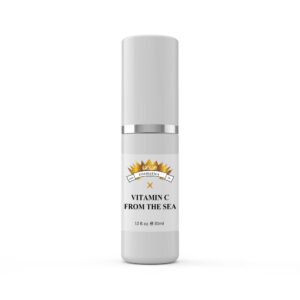
- Vitamin C From The Sea: a vitamin C cream that supports collagen and helps prevent the look of new wrinkles, for skin that feels smooth and soft.
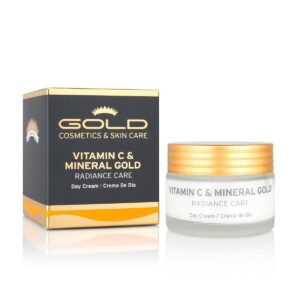
- Vitamin C & Mineral Gold Day Cream: a morning cream with antioxidant vitamin C that helps the look of brown spots and supports firmer-looking skin.
- Vitamin C & Mineral Gold Night Cream: a brightening night cream with vitamin C that helps the look of fine lines and leaves skin looking smooth and radiant.
- Vitamin C & Mineral Gold Eye Cream: an eye cream with vitamin C and collagen that hydrates and helps the look of puffiness and dark circles.
- Vitamin C + SPF 15: a vitamin C cream with SPF 15 for low-sun days. On sunny days, add a sunscreen with SPF 30 or higher.
If you are pregnant or breastfeeding, check with your doctor before you add new active ingredients to your routine.
Common mistakes
- Using vitamin C instead of sunscreen: it adds support, but it does not block UV light.
- Layering it with strong acids: stacking vitamin C with glycolic acid or retinol on the same night often leads to stinging.
- Applying too much: a thin layer is enough, and more product does not mean faster results.
- Keeping a bottle too long: a serum that has turned dark brown has likely lost strength.
- Giving up after two weeks: brightness builds slowly, so judge your results after two to three months.
Frequently asked questions
Should I use vitamin C in the morning or at night?
Both can work. Morning use is the most common choice, because vitamin C adds antioxidant support while your skin faces sun and pollution during the day. Night use suits people with busy mornings or those who prefer a richer cream. The key is consistency, plus a broad-spectrum sunscreen every morning no matter when you apply your vitamin C.
Can I use vitamin C with retinol?
Yes, but it is easier on your skin to split them. Use vitamin C in the morning and retinol in the evening. Using both at once can irritate, especially when you are new to either one. If you have sensitive skin, start with one product for a few weeks, then add the second one slowly.
Is vitamin C skincare good for sensitive skin?
Often, yes, if you choose a gentle formula and start slowly. Pure ascorbic acid serums can tingle, while creams tend to feel softer. Before you commit, patch test on your jaw or inner arm for a few days. If you notice burning, redness or itching that does not settle, stop using the product and talk to a dermatologist.
How long does vitamin C take to show results?
You may notice a brighter look within a few weeks of daily use. Changes in dark spots and uneven tone take longer, often two to three months or more. Take photos in the same light every few weeks, since slow changes are hard to see in the mirror. Meanwhile, daily sunscreen helps you keep the progress you make.
Can I use vitamin C skincare while pregnant?
Check with your doctor before you start any new active ingredient during pregnancy or breastfeeding. Your doctor knows your health history and can tell you which products are a good fit. In the meantime, gentle cleansing, a simple moisturizer and daily sunscreen remain smart habits, especially since pregnancy can trigger melasma.
Vitamin C works best as part of a simple, steady routine: cleanse, apply vitamin C, moisturize and protect. Give it time, store it well and pair it with daily sunscreen. You can browse our day care products to build your vitamin C skincare routine. Not sure which products fit your skin? Send us a message and we will help.