Using glycolic acid at home is one of the simplest ways to help skin look smoother and brighter. It is also one of the easiest ways to overdo it. The difference comes down to how often you use it, what you pair it with and how well you protect your skin afterward.
This guide covers what glycolic acid does, who it suits, how to start and the mistakes that cause redness and peeling. If you are pregnant or breastfeeding, check with your doctor before using any acid product.
Key takeaways
- Glycolic acid is an alpha hydroxy acid (AHA) that loosens dead skin cells so skin looks smoother and brighter.
- Start once a week, then build up slowly if your skin stays calm.
- Do not use it on the same night as retinol, other acids or scrubs.
- AHAs make skin more sensitive to the sun, so daily sunscreen is a must.
- Lasting stinging, burning or peeling means you should stop and give your skin a break.
What does it do for your skin?
Glycolic acid is an alpha hydroxy acid, or AHA, often made from sugar cane. It has the smallest molecule of the common AHAs, so it moves easily into the top layers of skin.
There, it loosens the bonds that hold dead cells together. Those cells then shed more easily, which reveals fresher-looking skin underneath. As a result, regular use can help with:
- Dull, uneven-looking skin
- Rough texture and flaky patches
- The look of fine lines
- The look of dark spots and marks, over time
- Pores that look clogged
Who should use glycolic acid at home?
Glycolic acid suits many normal, oily and combination skin types. It can also help dry skin that looks dull and flaky, as long as you keep moisturizing.
However, some people should be more careful:
- Sensitive or rosacea-prone skin: acids can sting and trigger redness, so ask a dermatologist first.
- Medium and darker skin tones: irritation can leave dark marks, so start low and slow.
- Melasma: go very gently, because irritation may darken patches.
- Broken or sunburned skin: wait until your skin has fully recovered.
- Pregnancy or breastfeeding: check with your doctor before you start.
How often to use glycolic acid at home
Frequency matters more than strength when you use glycolic acid at home. Most skin does best when you start slowly and build up over a few weeks.
| Week | How often | What to watch for |
|---|---|---|
| Weeks 1 to 2 | Once a week, at night | A mild tingle that fades within a minute is common |
| Weeks 3 to 4 | Twice a week | Tightness, flaking or redness the next day |
| Week 5 onward | Two to three times a week | Stay at this level if your skin stays calm |
| Any time | Pause for a week | Lasting stinging, burning, peeling or sore skin |
Many people never need more than two or three nights a week. Daily use is not a goal in itself. Instead, aim for the frequency that keeps your skin smooth and calm.
A simple evening routine with glycolic acid
- Cleanse: wash with a gentle cleanser and pat your skin completely dry.
- Wait a few minutes: damp skin can make acids sting more.
- Apply the acid: use a thin layer over the face, and avoid the eyes, nostrils and lips.
- Follow the label: some products stay on, while others come off after a set time.
- Moisturize: finish with a soothing, fragrance-free moisturizer.
- Next morning: apply a broad-spectrum SPF 30 or higher, and reapply when you are outdoors.
On the nights between, keep things simple with cleanser and moisturizer. If you also use vitamin C, keep it for the morning. Our vitamin C skincare guide shows how the two fit together.
Why sun protection is not optional
Glycolic acid at home comes with one firm rule: wear sunscreen. According to the US Food and Drug Administration, AHAs can increase your skin’s sensitivity to the sun. The FDA advises using sunscreen, wearing protective clothing and limiting sun exposure while you use AHA products and for a week afterward.
So plan your acid nights around your week. For example, avoid using it right before a beach day. Also, never skip sunscreen the morning after, even when it is cloudy.
At-home glycolic acid vs. a professional peel
Home products and in-office peels can share the same ingredient, but they are not the same experience. Professional peels use stronger formulas under trained supervision, so they can reach further and need more downtime. The American Academy of Dermatology notes that people with darker skin tones should see a dermatologist experienced with their skin type to avoid lasting color changes.
At home, your goal is steady, gentle progress. If you want faster or deeper results, talk to a dermatologist about a professional peel rather than leaving a home product on longer. And if dark spots are your main concern, our guide on how to fade dark spots explains where an exfoliant fits.
Products that fit this routine
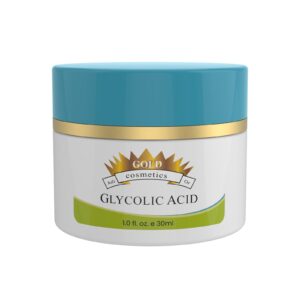
- Glycolic Acid: an exfoliating product that loosens the bonds between dead skin cells to reveal brighter, more even-looking skin.
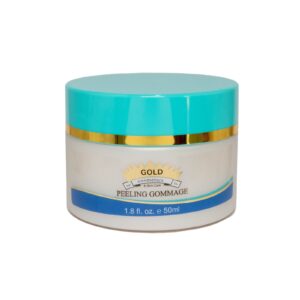
- Peeling Gommage: an exfoliating gommage you leave on for five minutes and roll off with your fingertips, for skin that feels refined and smooth. Use it on a different night from your acid.
- Azulene Moisturizer: a soothing moisturizer with azulene from chamomile, made for sensitive, irritated and dehydrated skin, including after chemical peels.
- Hyaluronic Acid From the Sea: a hydrating serum for the face and neck that helps skin hold moisture.
- Sun Block SPF 50 Regular: an oil-free SPF 50 with UVA and UVB protection for the morning after every acid night.
Common mistakes with glycolic acid at home
- Starting every night: skin needs time to adjust, so begin once a week.
- Mixing it with other actives: retinol, scrubs and other acids on the same night often cause irritation.
- Applying it to damp skin: moisture can make the acid sting more.
- Skipping sunscreen: AHAs make skin more sensitive to the sun.
- Pushing through burning: real burning is a signal to rinse off and stop, not a sign that it is working.
- Forgetting about waxing: pause acids for a few days before waxing, threading or in-office procedures.
Frequently asked questions
How often should I use glycolic acid at home?
Start once a week at night. If your skin stays calm, move to twice a week after two weeks, then to two or three times a week. Many people stay at that level for good. If you notice lasting stinging, redness or peeling, pause for a week and restart at a lower frequency. With acids, more often is not always better.
Can I use glycolic acid and retinol together?
Not on the same night. Both can irritate, and together they raise the risk of redness and peeling. A simple approach is to alternate nights, with plain moisturizer nights in between. If you are new to both, introduce one at a time and wait a few weeks before adding the other. If your skin feels sore, scale back.
Is tingling normal?
A light tingle that fades within a minute or so is common, especially in the first weeks. Burning, strong stinging or redness that lasts is not. If that happens, rinse the product off with cool water, apply a soothing moisturizer and take a break. If the irritation does not settle within a few days, see a dermatologist.
Can I use glycolic acid at home if I have dark skin?
Yes, many people with medium and darker skin tones use glycolic acid. The key is to start with a gentle product, use it less often and avoid irritation, because irritated skin can develop dark marks. Wear sunscreen every day. If you already have dark patches or melasma, ask a dermatologist before you start.
Should I stop glycolic acid before a sunny vacation?
It is a good idea. The FDA advises extra sun protection while you use AHAs and for a week afterward. So pausing about a week before a beach trip or a long day outdoors is a sensible step. Pack a broad-spectrum sunscreen and a hat either way, and restart slowly when you get home.
Glycolic acid rewards patience. Start slowly, keep your routine simple and make sunscreen a daily habit. You can explore our masks and peelings to find the right fit for using glycolic acid at home. Not sure which products fit your skin? Send us a message and we will help.