Breakouts in your 30s, 40s or later can feel unfair, but they are common. A steady adult acne skincare routine helps calm the look of blemishes without drying out skin that may also show its first fine lines.
This guide walks you through simple morning and night steps, the ingredients worth knowing and the habits that quietly keep breakouts going. Skincare supports your daily care. However, it does not replace a diagnosis or treatment from a dermatologist, especially when acne hurts or leaves scars.
Key takeaways
- Adult acne often shows up on the jawline, chin and neck, and it can flare with hormones, stress and heavy products.
- Keep your routine short: a gentle cleanser, one targeted active, a light moisturizer and daily SPF.
- Add one new active at a time, so you can tell what helps and what irritates.
- Give any routine at least four to six weeks before you judge it.
- See a dermatologist for deep, painful or scarring breakouts.
Why adult acne skin needs a gentler routine
Teen acne usually sits on an oily T-zone. Adult acne is often different. It tends to appear on the lower face, chin, jawline and neck, and it often comes with skin that is drier or more sensitive than it used to be.
According to the American Academy of Dermatology, common triggers include:
- Hormone shifts, for example around your period, pregnancy, perimenopause or after you stop birth control pills.
- Stress, which can push oil glands to work harder.
- Skin and hair products that clog pores, such as rich creams, oils and some hair stylers.
- A family history of acne.
- Some medicines, and sometimes a health condition that needs a doctor’s check.
Because adult skin is often more reactive, the harsh teen approach usually backfires. Strong scrubs, drying toners and three actives at once leave skin red and tight. As a result, it may make even more oil. A gentle plan you follow every day works better.
What a good adult acne skincare routine includes
You do not need ten products. In fact, most adults do best with four basic steps:
- A gentle cleanser. Wash morning and night with lukewarm water. Skip grains and brushes.
- One targeted active. Pick one ingredient for breakouts and stay with it. Salicylic acid, sulfur, benzoyl peroxide, azelaic acid and retinoids are the usual choices.
- A light moisturizer. Look for “oil-free” or “non-comedogenic” on the label. A moisturizer helps your skin handle the active with less dryness.
- Daily sunscreen. Some actives make skin more sensitive to the sun. Also, UV makes marks left by old pimples darker and slower to fade.
If your skin also shows fine lines, some ingredients help with both. Retinoids, for example, support clearer pores and smoother texture at the same time. Still, start slowly, since they can sting and peel in the first weeks.
If you are pregnant or breastfeeding, check with your doctor before you use acids, retinoids or brightening agents.
A morning and night adult acne routine, step by step
Here is a simple adult acne skincare routine you can follow every day. Then, once your skin feels comfortable, you can adjust how often you use the active.
- Morning cleanse: wash with a gentle cleanser and pat dry with a clean towel.
- Morning moisturizer: smooth on a thin layer of a light, oil-free cream.
- Sunscreen: finish with a broad-spectrum SPF 30 or higher, even on cloudy days.
- Evening cleanse: take off sunscreen and makeup first, then wash again if you wore heavy products.
- Active step: on dry skin, apply a very thin layer of your active to the whole breakout area, not only to single spots. Start every other night.
- Spot care: if a single pimple appears, dab a spot product on it with a cotton swab.
- Night moisturizer: seal everything in with a light cream.
Keep the same steps for at least four to six weeks. Skin often looks a little worse before it looks better, especially with retinoids. If your skin burns, peels hard or stays red, cut back to two or three nights a week.
Choosing your active ingredient
Each active works in a slightly different way. So the best one for you depends on your skin type and the kind of breakouts you get.
| Active | Best for | Good to know |
|---|---|---|
| Salicylic acid (BHA) | Blackheads, whiteheads, oily skin | Oil-soluble, so it works inside the pore. Can feel drying. |
| Sulfur | Oily skin with small red bumps | Feels milder to many people. Has a distinct smell. |
| Benzoyl peroxide | Red, swollen pimples | Can bleach towels and pillowcases. Start with a low strength. |
| Azelaic acid | Breakouts plus redness or marks | Usually kind to sensitive skin. |
| Retinoids | Clogged pores, rough texture, early lines | Night use only. Expect some dryness at first. |
| Glycolic acid (AHA) | Dull skin and post-acne marks | Exfoliates the surface. Pair it with daily SPF. |
Want a closer look at one of the gentler options? Read our guide to how sulfur works on breakouts.
Daily habits that support clearer skin
Products are only part of the picture. These small habits also make a visible difference over time:
- Change your pillowcase two or three times a week.
- Wipe your phone screen often, since it touches your jawline every day.
- Keep hair oils, waxes and sprays away from your forehead and hairline.
- Choose oil-free makeup and take it off every night.
- Wash your face after a workout instead of letting sweat sit on your skin.
- Keep your hands off your face, and do not squeeze or pick.
Stress and poor sleep can also play a part. While you cannot remove every stress, regular sleep and a routine you can stick to really help.
Products that fit this routine
These options from our store match the steps above. Start with one kit or one active, not all of them at once.
- Clear Skin Kit — Light: Bleach soap, Lior 22, Anti Acne cream and Sun Block in a simple morning and night routine for breakouts, marks and open pores.
- Clear Skin Kit — Medium: adds Bleach Toner and the Shoval A peel, for skin with clogged pores, blackheads and visible redness.
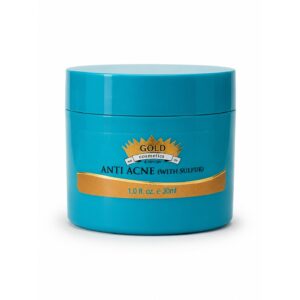
- Anti Acne with Sulfur: a cream with sulfur, which encourages the shedding of dead skin cells that block pores. Apply a very thin layer.
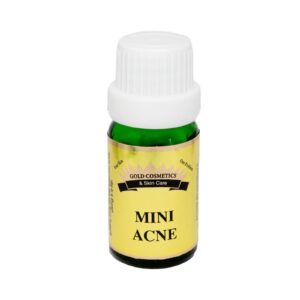
- Mini Clear Spot Care: a spot product you dab on single blemishes at night with a cotton swab to help dry up excess oil.
- Bleach Cream Soap: a facial soap that respects the skin’s pH balance and opens the routine in our acne kits.
- Mini Sun Block SPF50 (no color): an oil-free, lightweight SPF 50 with no tint that absorbs quickly and guards against UVA and UVB rays.
Common mistakes
- Washing three or more times a day, or scrubbing hard. Your skin often answers with more oil.
- Stacking several strong actives on the same night, such as an acid, a retinoid and sulfur.
- Skipping moisturizer because your skin feels oily.
- Switching products every week, before any of them has had time to work.
- Picking and squeezing, which raises the risk of marks and scars. Our guide to telling scars from discoloration explains why.
- Forgetting sunscreen, so post-acne marks stay dark for longer.
When to see a dermatologist
Home care works best for mild to moderate breakouts. Book a visit with a board-certified dermatologist if you notice any of these signs:
- Deep, painful lumps or cysts under the skin.
- Breakouts that leave scars, or dark marks that keep piling up.
- No visible change after two to three months of steady care.
- Sudden acne together with irregular periods, new facial hair or thinning hair, which can point to a hormonal issue.
- Acne that started after you began a new medicine.
- Breakouts that affect your mood or confidence.
A dermatologist can offer options that a store-bought routine cannot. The AAD’s page on what dermatologists recommend for adults gives a good overview.
Frequently asked questions
Why am I getting acne in my 30s or 40s?
Adult breakouts usually come from a mix of hormone shifts, stress, pore-clogging products and family history. Some medicines can also play a part. Many women notice flares before a period, during pregnancy or around perimenopause. If acne appears suddenly with other changes, such as irregular periods or new facial hair, see a doctor to rule out a hormonal cause.
How long does an adult acne skincare routine take to work?
Give a new routine at least four to six weeks before you decide whether it works. Skin needs time to renew, and some actives, especially retinoids, can make skin look a little worse at first. Marks left by old pimples take longer, often several months, and they fade faster when you wear sunscreen every day.
Can I wear makeup with an adult acne routine?
Yes. Choose makeup that says oil-free or non-comedogenic, and apply it over your sunscreen. Clean your brushes and sponges every week, because they collect oil and bacteria. Most importantly, take off all makeup every night before your active step, so the active can reach your skin and your pores stay clear.
Is a simple skincare routine enough for adult acne?
For mild to moderate breakouts, a simple routine you use every day is often enough to see a clear difference. However, deep, painful or scarring acne usually needs a dermatologist. A doctor can suggest prescription creams, oral options or in-office care that go beyond what cosmetic skincare can do.
Can I use anti-aging products if I have breakouts?
Yes, but choose them with care. Retinoids and some acids help with both breakouts and fine lines, so they can do double duty. On the other hand, rich, oily night creams can clog pores. Add one product at a time, patch test it first and watch your skin for two weeks.
A good adult acne skincare routine works best with patience and a short list of products you use every day. Start with the basics, add one active, protect your skin from the sun and give it time. You can compare kits and single products in our acne collection. Not sure which products fit your skin? Send us a message and we will help you choose.