When a breakout finally clears, it often leaves something behind. Sorting out acne scars vs. dark marks is the first step, because each one needs a different kind of care.
Dark marks are a change in color. Scars are a change in texture. This guide shows you how to tell them apart at home, what daily skincare can realistically do for each and when it is time to see a dermatologist. Skincare supports your daily care, but it does not replace a diagnosis or treatment.
Key takeaways
- Dark marks are flat spots of brown, red or purple where a pimple used to be. Most fade with time and sun protection.
- Acne scars change the texture of your skin: dents, pits or raised bumps you can feel or see in side light.
- Daily SPF is the most useful step for dark marks, because UV makes them darker and slower to fade.
- Gentle exfoliation and brightening care help the look of marks, while deep scars usually need in-office procedures.
- Picking turns marks into scars, so keep your hands off blemishes while they clear.
Acne scars vs. dark marks at a glance
The quickest way to understand acne scars vs. dark marks is to compare them side by side:
| Feature | Dark marks | Acne scars |
|---|---|---|
| What you see | Flat brown, red, pink or purple spots | Dents, pits, rolling waves or raised bumps |
| What you feel | Smooth, same level as the skin around it | Uneven texture you can feel with a fingertip |
| Why it forms | Inflammation leaves extra pigment or redness | Deep inflammation damages collagen |
| Fades on its own? | Often, over months | Rarely |
| What helps at home | Daily SPF, gentle exfoliation, brightening care | Softening the look of texture, silicone for raised scars |
| Professional options | Peels or lasers for marks that do not fade | Resurfacing, microneedling, fillers and other procedures |
How to tell acne scars from dark marks at home
You do not need special tools. First, wash your face and stand near a window. Then try these simple checks:
- The touch test. Close your eyes and run a clean fingertip over the spot. If it feels flat, it is most likely a mark. If you feel a dip or a bump, it is a scar.
- The side light test. Hold a phone light at the side of your face. Scars cast small shadows, while flat marks do not.
- The color check. Brown or gray spots are usually extra pigment. Pink, red or purple spots are usually leftover redness.
- The stretch test. Gently stretch the skin. Some wide, soft dents look smaller when you do this.
- The time check. A spot that has slowly faded over a few months is usually a mark. A dent that looks the same after a year is a scar.
Many people have both at once. In that case, the answer to acne scars vs. dark marks is simply both. Care for the marks first, because they respond to daily skincare much faster.
Why dark marks appear after acne
When a pimple is red and swollen, your skin reacts with inflammation. In some people, that reaction tells pigment cells to make extra melanin. The result is a brown or gray spot that stays after the pimple is gone. Dermatologists call this post-inflammatory hyperpigmentation.
These spots tend to be darker and last longer in medium to deep skin tones. The American Academy of Dermatology explains this in its guide to fading dark spots in darker skin tones. On lighter skin, marks often look pink or red instead, because the redness lingers after the breakout clears.
In both cases, UV light makes marks darker and slows down fading. That is why sunscreen matters so much here.
Why acne scars form
Scars form when inflammation goes deep enough to damage the collagen that supports your skin. As the skin repairs itself, it either makes too little collagen, which leaves a dent, or too much, which leaves a raised bump.
Common types include:
- Ice pick scars: narrow, deep pits.
- Boxcar scars: wider dents with sharp edges.
- Rolling scars: soft, wave-like dips across the skin.
- Raised scars: firm bumps, sometimes larger than the original pimple. When they keep growing past the edges, they are keloids.
According to the American Academy of Dermatology, the best way to lower your risk is to get acne under control early and to stop picking. In other words, calm breakouts first, and you will have fewer scars to deal with later.
A daily routine for dark marks after acne
Flat marks respond well to a steady, gentle routine. Here is a simple plan:
- Morning cleanse: wash with a mild cleanser and lukewarm water.
- Even-tone step: apply a toner or serum made to brighten the look of uneven skin.
- Sunscreen: finish with a broad-spectrum SPF 50 and reapply every two hours outdoors.
- Evening cleanse: remove sunscreen and makeup, then pat dry.
- Night active: two or three nights a week, use one exfoliating or brightening product on the marks.
- Moisturize: finish with a light moisturizer every night.
Be patient. Most dark marks fade over several months, and darker marks can take longer. For more detail, read our guides on how to fade dark spots step by step and on choosing an SPF for uneven skin tone.
If you are pregnant or breastfeeding, check with your doctor before you use acids, retinoids or brightening agents.
What helps acne scars, and what does not
Here is the honest part. No cream can fill a deep pit or remove a scar. However, daily care can still help the overall look of your skin:
- Regular, gentle exfoliation can make the surface look smoother and more even.
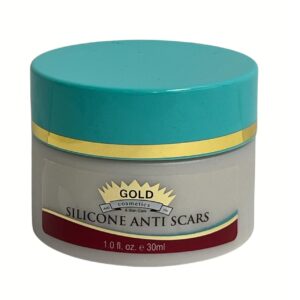
- Silicone-based products help soften and flatten the look of raised scars.
- Good hydration helps the skin look plumper, so shallow dents show less.
- Sunscreen keeps scars from darkening and standing out more.
For deeper dents, a dermatologist can suggest procedures such as laser resurfacing, microneedling, chemical peels, fillers or subcision. Often, the best results come from combining skincare at home with care in the clinic.
Products that fit this routine
These products from our store match the steps above. Choose based on what you see most: marks, scars or both.
- Blemish, Marks & Tone Kit: cleansing, brightening, peeling and scar care plus a sunscreen with no tint, for skin with breakouts, marks and scars at once. It includes Adi Clear, which lists hydroquinone as its active ingredient.
- Smooth Texture Kit — Light: Bleach soap, Bleach Toner, Anti Scars with Open Pores cream and Sun Block in a morning and night routine that helps the color, texture and overall look of scars.
- Silicone Scar-Smoothing Cream: a silicone cream you massage in gently, made to soften and flatten the look of raised scars and calm the look of redness.
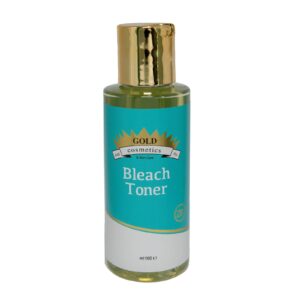
- Bleach Toner: a toner for all skin types that helps even out the look of skin tone, also suited to skin with acne and scars.
- Mini Sun Block SPF50 (no color): an oil-free, lightweight SPF 50 with no tint that guards against UVA and UVB rays every morning.
Common mistakes
- Picking at pimples or scabs, because that is the fastest way to turn a mark into a scar.
- Skipping sunscreen on cloudy days, so marks stay dark for months longer.
- Over-exfoliating to speed things up, which irritates skin and can create new marks.
- Expecting a cream to fill deep scars, and then giving up on skincare altogether.
- Working on marks while breakouts are still active, instead of calming the breakouts first.
- Using harsh home remedies such as lemon juice or baking soda.
When to see a dermatologist
Book a visit with a board-certified dermatologist if you notice any of these signs:
- Deep, pitted or widespread scars that bother you.
- Raised, thick or itchy scars, or scars that keep growing.
- Dark marks that do not fade after six months of daily sunscreen.
- Active acne that still leaves new scars.
- A spot that changes in size, shape or color, bleeds or looks different from the rest. Have it checked.
If you have a medium or deep skin tone, choose a dermatologist with experience in skin of color, because some procedures can trigger new dark marks.
Frequently asked questions
Can acne scars and dark marks fade on their own?
Dark marks often fade on their own over several months, and daily sunscreen speeds that up. Acne scars are different. Dents and raised scars rarely disappear without help, although redness inside a new scar can soften over time. If a spot is still the same after a year, it is most likely a scar.
How long do dark marks from acne take to fade?
It depends on how deep the color sits and on your skin tone. Light marks can fade in a few months, while darker marks on medium to deep skin can take a year or longer. Wearing SPF every day, avoiding picking and using gentle exfoliation or brightening care all help them fade sooner.
Is sunscreen really that important for marks?
Yes. UV light tells pigment cells to make more melanin, so marks get darker and last longer when skin is not protected. A broad-spectrum SPF 30 to 50 every morning, plus reapplying outdoors, is one of the most effective things you can do for flat marks. It also keeps scars from darkening.
Can I use exfoliating acids on acne scars?
You can, but keep your expectations realistic. Acids such as glycolic acid smooth the surface and help the look of shallow texture and marks. They cannot fill deep dents. Use them two or three nights a week, follow with moisturizer and sunscreen, and stop if your skin becomes red or sore.
Once you know which one you are dealing with, the acne scars vs. dark marks question becomes much easier to answer. Protect marks from the sun and give them time, and talk to a dermatologist about scars that bother you. You can explore our scar care collection and our products for dark spots. Not sure which products fit your skin? Send us a message and we will help you choose.