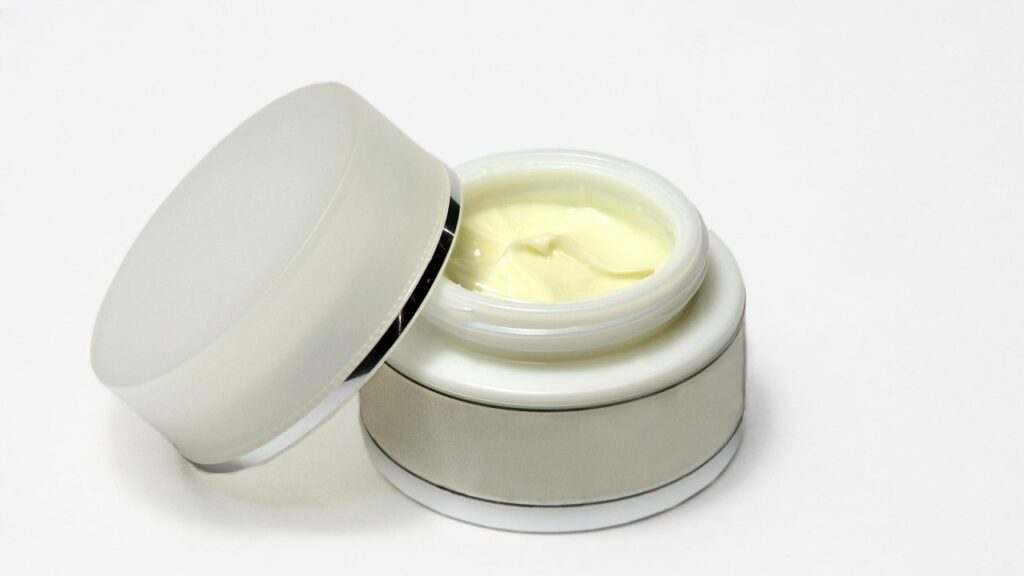
Interest in hydroquinone-free brightening keeps growing. Many people want a more even-looking skin tone but prefer to skip hydroquinone and use other ingredients instead. A good brightening cream can help, as long as you use it with care and protect your skin from the sun.
This guide explains how brightening ingredients work, how to use our Blanco Cream step by step and how to keep your skin calm while you do. It also covers the signs that mean a dermatologist should check a spot before you try to brighten it.
Key takeaways
- Brightening creams help the look of uneven tone slowly, over months rather than days.
- Blanco Cream lists arbutin, retinol, urea, vitamin C and kojic among its active ingredients, and its product page states that it contains no hydroquinone.
- Because it lists retinol, start every other night and wear sunscreen every day.
- If you are pregnant or breastfeeding, check with your doctor before you use it.
- Any spot that changes, bleeds or itches needs a dermatologist, not a brightening cream.
What does hydroquinone-free brightening mean?
Hydroquinone is a long-used skin-lightening ingredient, and dermatologists often prescribe it. Some people prefer to avoid it, though. Hydroquinone-free brightening simply means using other ingredients to help the look of dark spots and uneven tone.
Several ingredients do this job in different ways. Here is a quick comparison:
| Ingredient | What it does | Good to know |
|---|---|---|
| Arbutin | A brightening agent that helps the look of uneven tone | Usually well tolerated |
| Kojic acid | Helps the look of dark spots | Can irritate some skin types |
| Vitamin C | An antioxidant that brightens the look of dull skin | Pairs well with sunscreen |
| Retinol | Supports skin renewal for a smoother, more even look | Can cause dryness at first; check with your doctor in pregnancy |
| Urea | Hydrates and softens rough skin | Helps balance drier actives |
Many brightening creams combine several of these. Our guide on how to fade dark spots explains how a brightening step fits into a full routine.
Meet Blanco Cream, our hydroquinone-free brightening cream
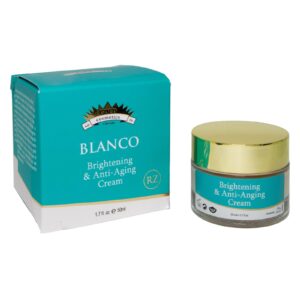
Blanco Cream is a brightening cream sold only at Gold Cosmetics and Skin Care. Its product page lists arbutin, retinol, urea, vitamin C and kojic among its active ingredients. The page also states that the formula contains no hydroquinone.
According to the product page, you can use it on the face and neck, and also on areas such as the underarms, the bikini zone and stretch marks. It does not need refrigeration, so you can take it with you when you travel.
As with any product that contains retinol, your skin may need time to adjust. That is why the routine below starts slowly.
How to use a brightening cream safely
Patch test first. Apply a small amount to your jawline or inner arm once a day for three days. If you see no redness, itching or swelling, you can start on the full area.
- Evening cleanse: wash with a gentle cleanser and pat your skin dry.
- Wait a few minutes: applying actives to fully dry skin lowers the chance of stinging.
- Apply a thin layer: smooth a small amount of Blanco Cream over the areas you want to brighten, and keep it out of the eyes and off the lips.
- Moisturize if needed: add a light hydrating serum or cream if your skin feels tight.
- Morning cleanse: wash your face gently when you wake up.
- Morning protection: apply a broad-spectrum SPF 30 or higher every day, and reapply when you are outdoors.
For the first two weeks, use the cream every other night. If your skin stays calm, you can move to nightly use. However, if you notice peeling, burning or redness, go back to every other night or take a short break.
Building a hydroquinone-free brightening routine
A brightening cream works best inside a short, steady routine. Here is a simple structure:
- Morning: gentle cleanser, vitamin C cream and sunscreen.
- Evening: gentle cleanser, Blanco Cream and a hydrating serum if needed.
- Once a week: one calm night with only cleanser and moisturizer.
Keep other strong actives out of the routine while you start. For example, skip glycolic acid, scrubs and other retinoids for the first month. Then, if your skin is calm, you can add one gentle exfoliation night a week. If melasma is your main concern, our melasma skincare routine guide covers triggers such as heat and visible light.
Why sunscreen decides your results
Any brightening plan depends on sun protection. UV light tells pigment cells to make more melanin, which can undo weeks of careful work in a single sunny afternoon. Retinol can also leave skin more sensitive, which is one more reason to protect it.
Choose a broad-spectrum sunscreen with SPF 30 or higher. If your skin is medium to dark or prone to melasma, a tinted formula with iron oxide adds protection from visible light, as the American Academy of Dermatology explains. Reapply every two hours when you are outdoors.
Products that fit this routine
- Blanco Cream: a brightening cream sold only at Gold Cosmetics, with arbutin, retinol, urea, vitamin C and kojic among its listed actives and, according to its product page, no hydroquinone.
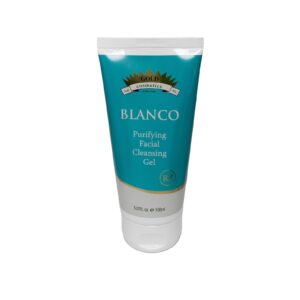
- Blanco Purifying Facial Cleansing Gel: a gentle facial wash gel that cleanses and leaves skin feeling refreshed.
- Vitamin C & Mineral Gold Day Cream: a morning cream with antioxidant vitamin C that helps the look of brown spots and discoloration.
- Hyaluronic Acid From the Sea: a hydrating serum that helps skin hold moisture, useful on nights when retinol leaves skin feeling dry.
- Sun Block SPF 50 Regular: an oil-free SPF 50 with UVA and UVB protection that stays water resistant for up to 80 minutes.
Common mistakes
- Expecting fast results: brightening takes months, so judge progress after 8 to 12 weeks.
- Applying a thick layer: more cream means more irritation, not faster brightening.
- Skipping sunscreen: one unprotected day in the sun can darken spots again.
- Stacking actives: using acids, scrubs and another retinoid at the same time often leads to peeling.
- Buying creams with no ingredient list: some unlabeled lightening products contain harmful ingredients such as mercury or hidden steroids.
- Brightening a spot no one has checked: a changing spot needs a diagnosis first.
When to see a dermatologist
Brightening creams support your daily care, but they do not replace a diagnosis or treatment by a dermatologist. Book a visit before you brighten, or stop and get checked, if you notice:
- A spot that changes in size, shape or color, or looks different from your other spots.
- Uneven borders or several colors in one spot, as described in the AAD’s ABCDE guide.
- A spot that bleeds, itches, crusts or does not heal.
- Burning, blistering or swelling after using a product.
- Patches that appear suddenly, spread fast or come with other symptoms.
- No visible change after three months of steady use.
Frequently asked questions
How long does hydroquinone-free brightening take?
Expect a slow change. Brightening ingredients usually need at least 8 to 12 weeks of daily use before spots start to look lighter, and older or deeper pigment can take much longer. Daily sunscreen protects your progress along the way. Take photos in the same light every two weeks, since gradual changes are hard to notice in the mirror.
Can I use Blanco Cream during pregnancy?
Check with your doctor before you use it. Blanco Cream lists retinol among its active ingredients, and doctors often advise caution with retinoids during pregnancy and breastfeeding. Your doctor knows your health history and can tell you what fits. Until then, gentle cleansing, a simple moisturizer and daily sunscreen are good habits to keep.
Can I use Blanco Cream on my body?
According to its product page, you can use Blanco Cream on the neck and on body areas such as the underarms, the bikini zone and stretch marks, as well as on the face. Patch test each new area first, since skin in folds can be more sensitive. Use a thin layer, and protect any sun-exposed areas with sunscreen during the day.
Can I combine hydroquinone-free brightening with vitamin C?
Yes. A simple way is to use vitamin C in the morning under sunscreen and your brightening cream at night. This split lowers the chance of irritation and gives each product its own time to work. If your skin is sensitive, start with one product for two weeks before you add the other.
Why do my spots look darker after I started?
Irritation is a common reason. When a new active makes skin red or sore, it can leave temporary darkness behind, especially in medium and darker skin tones. Sun exposure without enough sunscreen can also darken spots. Scale back to every other night, use a soothing moisturizer and protect your skin from the sun. If it does not improve, see a dermatologist.
Hydroquinone-free brightening works best with patience, a light hand and daily sunscreen. Start slowly, keep your routine simple and give your skin time. You can browse our pigmentation and dark spot products to see the full range. Not sure which products fit your skin? Send us a message and our team will help.