Collagen skincare is one of the biggest categories on any beauty shelf, and also one of the most misunderstood. Creams with collagen can make your skin feel softer and look smoother, but they work differently from what many labels suggest.
This guide explains what collagen does in your skin and what a collagen cream can and can’t do. It also covers the habits and ingredients that help your own collagen last longer, so you can spend your money where it counts.
Key takeaways
- Collagen gives skin its firmness, and your body makes less of it every year after your mid-20s.
- Collagen in a cream mostly stays on the surface, where it hydrates and smooths.
- It does not replace the collagen you have lost, so expect comfort and softness rather than a lift.
- Daily sunscreen protects the collagen you still have better than any cream.
- Pair a collagen moisturizer with stronger helpers: vitamin C in the morning and a retinoid or peptides at night.
What collagen does in your skin and why it fades
Collagen is the main structural protein in the deeper layer of your skin, the dermis. Think of it as a mesh that keeps skin firm and smooth. Elastin works next to it and helps skin snap back after you smile or frown.
From your mid-20s, your skin slowly makes less collagen. At the same time, the collagen you have breaks down faster when it meets UV light, smoke and pollution. A diet high in sugar may speed this up too. As a result, skin gets thinner, looser and more lined over the years.
What collagen in skincare can do
Collagen is a large molecule. In a cream, it acts mainly as a humectant and film former. In other words, it draws water to the surface of the skin and holds it there.
- It makes dry skin feel softer and more comfortable.
- It helps fine, dry lines look less obvious, because hydrated skin reflects light more evenly.
- It gives a smooth, slightly plump feel that many people enjoy under makeup.
- It works well in gentle products, so it rarely irritates sensitive skin.
These are real benefits. They are simply surface benefits, and they last only as long as you keep using the product.
What topical collagen can’t do
Whole collagen molecules are too big to pass through the outer layer of your skin intact. So a collagen cream cannot add collagen to your dermis or rebuild the support you have lost. Smaller collagen fragments, often labeled hydrolyzed collagen, still work mostly as moisturizers.
That is why a collagen cream won’t lift sagging skin or fill deep folds. If a label promises the same result as a clinic treatment, keep your expectations modest. The American Academy of Dermatology also warns against unrealistic promises in its guide to selecting anti-aging products.
Skincare ingredients that support your own collagen
Instead of adding collagen from a jar, you can help your skin protect and keep its own. These ingredients have better support for that job.
- Sunscreen: UV light is the main cause of collagen breakdown. Daily SPF 30 or higher is therefore the most useful anti-aging step.
- Vitamin C: an antioxidant that helps defend skin from daily stress. Your skin also needs vitamin C to make collagen. See our vitamin C skincare guide for how to use it.
- Retinoids: they have the strongest evidence among creams for supporting collagen over time. However, they can irritate at first, so start slowly.
- Peptides: small chains of amino acids that may support firmness. The evidence is more modest, but they are gentle.
- Exfoliating acids: glycolic and lactic acid smooth the surface and may help texture with regular use.
A collagen skincare routine for morning and night
A good routine combines a protective morning with a repairing night. Here is a simple order that works for most skin types.
- In the morning, wash with a gentle cleanser and pat your skin dry.
- Next, apply a vitamin C serum or cream while skin is clean.
- Then smooth on your collagen moisturizer, including the neck.
- Finish with sunscreen, SPF 30 or higher, every single day.
- At night, cleanse again to remove sunscreen and makeup.
- After that, apply a peptide serum or a retinoid, but only one active per night.
- Lastly, seal it in with a collagen night cream or a rich moisturizer.
If you are pregnant or breastfeeding, skip retinoids and ask your doctor before you use acids or brightening products. For a full plan by age, read our anti-aging routine for your 30s, 40s and 50s.
Collagen skincare compared with other options
Each option plays a different role. This table shows where collagen creams fit and where other steps do more of the work.
| Option | What it does | Strength of support | Best time |
|---|---|---|---|
| Collagen cream | Hydrates and smooths the surface | Good for moisture, not for firmness | Morning or night |
| Sunscreen | Prevents UV damage to collagen | Strong | Every morning |
| Vitamin C | Antioxidant care, brighter look | Good | Morning |
| Retinoids | Support collagen over time | Strongest among creams | Night |
| Peptides | May support firmness | Modest | Night |
| In-office treatments | Stimulate new collagen in the dermis | Strong, done by a professional | As planned with a dermatologist |
Products that fit this routine
These products from our store fit the routine above. Use them with clear expectations: hydration and a smoother look, plus antioxidant care where noted.
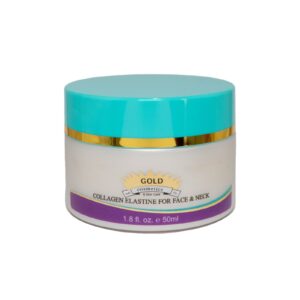
- Collagen Elastine for Face & Neck: a daily face and neck cream that hydrates and nourishes the skin, massaged in with gentle upward strokes.
- Collagen & Mineral Gold Night Cream: a night cream with collagen that plumps the surface so fine lines look less noticeable, applied to face and neck.
- Collagen Elastine for Eyes: a collagen eye cream that keeps the delicate eye area moisturized, tapped on in small dots with the ring finger.
- Shovalit Solution: a night serum with peptides and antioxidants, used as 2 to 3 drops after cleansing.
- Vitamin C & Mineral Gold Day Cream: a vitamin C day cream for antioxidant care that also helps the look of brown spots.
- Sun Block SPF 50 Regular: an oil-free, lightweight sunscreen with UVA and UVB protection, water-resistant for up to 80 minutes.
Common collagen skincare mistakes
- Expecting a cream to lift sagging skin, when it mainly hydrates the surface.
- Skipping sunscreen, although UV light breaks down collagen every day.
- Layering several new actives at once, which often leads to redness.
- Giving up on retinoids after two weeks instead of easing in slowly.
- Stopping at the jawline, while the neck shows collagen loss just as clearly.
The AAD also suggests you patch test new products and give them time. Its tips on getting results from anti-aging products are worth a read before you buy.
Frequently asked questions
Does collagen skincare work if collagen can’t get into the skin?
Yes, but in a different way than many labels suggest. Collagen in a cream stays mostly on the surface, where it holds water and forms a soft film. So it makes skin feel smoother and look plumper for as long as you use it. It does not add new collagen to the deeper layer of your skin.
Is marine collagen better in skincare than other types?
Marine collagen comes from fish, while other collagen often comes from cows or pigs. On the skin, all of them work mainly as moisturizers. The overall formula, the texture and how well your skin tolerates it matter more than the source. Choose the product you enjoy using every day, because daily use is what counts.
Can I use collagen creams with vitamin C and retinoids?
Usually, yes. A collagen cream is a gentle, moisturizing step, so it pairs well with stronger ingredients. A common order is vitamin C in the morning under sunscreen, then a retinoid or peptide serum at night, followed by a collagen moisturizer. Introduce one new product at a time, though, so you can spot any irritation.
Do collagen supplements help my skin?
Some small studies suggest oral collagen may help skin hydration and elasticity, but the evidence is still limited and mixed. Supplements also work differently from creams, so treat them as a separate question. If you want to try them, talk to your doctor first, especially if you are pregnant, breastfeeding or take other medicines. Meanwhile, keep up daily sunscreen.
How long before I see results from a collagen cream?
The moisturizing effect shows quickly, often within days, as skin feels softer and fine dry lines look less obvious. Ingredients that support your own collagen, such as retinoids, need much longer. Give those at least six weeks, and often up to three months, before you judge them. Results fade if you stop.
Used with the right expectations, collagen skincare is a pleasant, gentle way to keep skin soft and comfortable. Browse our wrinkles and anti-aging collection to build your routine around it. Not sure which products fit your skin? Send us a message and we will help you choose.