Flaky, red patches around your nose, eyebrows and hairline can be a sign of seborrheic dermatitis on the face. This common, long-term skin condition tends to come and go, and it often shows up on the scalp as dandruff at the same time.
The good news is that steady, gentle care can keep your skin calmer between flares. This guide covers a daily routine for the face, scalp and beard area, plus the signs that mean it is time to see a doctor. Skincare supports daily care, but it does not replace a diagnosis or treatment from a dermatologist.
Key takeaways
- Seborrheic dermatitis on the face usually appears where skin is oiliest: beside the nose, on the brows, hairline, ears and beard.
- Wash gently twice a day and rinse well, but never scrub or pick at flakes.
- Choose alcohol-free and fragrance-free products for skin, hair and makeup.
- Care for the scalp at the same time, because flakes there often spread to the face.
- See a dermatologist if patches spread, ooze, hurt or do not settle after about four weeks of steady care.
What seborrheic dermatitis on the face looks like
On lighter skin, the patches look pink or red with greasy, yellowish or white scales. On brown and black skin, they may look lighter or darker than the skin around them, sometimes with a curved edge near the hairline. Many people also feel itching or mild burning.
The rash favors oily areas. Common spots include:
- The sides of the nose and the folds that run to the corners of the mouth
- Eyebrows, the area between them and the eyelid edges
- The hairline, forehead and the skin in and behind the ears
- Beard and mustache areas
- Your scalp, where it shows up as dandruff
Experts link the condition to a yeast called Malassezia, which lives on almost everyone’s skin, combined with oil and the way your skin responds to it. It is not contagious, and it is not a sign of poor hygiene. Because several conditions look alike, a dermatologist should confirm the diagnosis. For example, rosacea can also turn the skin beside the nose red.
What makes seborrheic dermatitis flare
- Stress and lack of sleep
- Cold, dry winter air and indoor heating
- Heat, sweat and humid weather
- Harsh soaps, alcohol-based toners and fragranced products
- Illness or a run-down immune system
Since triggers differ for each person, a short note on your phone each time you flare can help you spot your own pattern.
Face, scalp and beard: what each area needs
| Area | What helps | What to avoid |
|---|---|---|
| Face | Mild cleanser twice a day, a thin calming cream, a light alcohol-free moisturizer, mineral sunscreen | Scrubs, toners with alcohol, heavy fragranced creams |
| Scalp | A scalp product or anti-dandruff shampoo, massaged in and rinsed well | Scratching, very hot water, heavy oils left on for hours |
| Beard and mustache | A daily gentle wash of the beard area, rinsed thoroughly | Fragranced beard oils and balms, product residue |
| Brows and eyelids | Soft, careful cleansing with lukewarm water | Rubbing, picking flakes, eye makeup on inflamed lids |
It helps to care for the scalp and face as one area. Flakes from the hairline often drift onto the forehead and brows, so a scalp flare can keep the face irritated too. The American Academy of Dermatology’s self-care tips also suggest alcohol-free skin, hair and makeup products.
A daily routine for seborrheic dermatitis on the face
Keep it simple and steady. A short routine you follow every day works better than an intense one you drop after a week.
- Morning: Wash your face with a mild cleanser and lukewarm water, using your fingertips. Rinse well, especially along the hairline, brows and nose.
- Calm: Pat dry, then apply a very thin layer of a calming cream to the flaky zones only. Do not rub it in hard.
- Moisturize: If your skin feels tight, add a light, alcohol-free moisturizer. Even oily-looking skin can need water.
- Protect: Finish with sunscreen. Formulas with zinc oxide or titanium dioxide tend to sting less.
- Evening: Cleanse again to remove sunscreen, sweat and makeup, then repeat the calming step.
- Scalp, two to three times a week: Massage your scalp product into wet hair, leave it on for the time the label gives, then rinse well.
Loose flakes can be tempting to pick. Instead, let them soften with moisturizer and lift away when you cleanse. Picking can break the skin and raise the risk of infection. If you are pregnant or breastfeeding, check with your doctor before using medicated shampoos, acids or other active products.
Products that fit this routine
These products from our seborrhea range suit the daily steps above for seborrheic dermatitis on the face and scalp. As always, patch test first and introduce one product at a time.
- Balance Kit: Kiwi Soap, Balancing Cream and Sun Block in one set, for a simple cleanse, calm and protect routine.
- Balancing Cream: a calming cream for itchy, flaky, red-looking patches that softens dry areas and helps lock moisture into the skin.
- Clear Soap Kiwi: a foaming cleanser with vitamin E that the brand recommends for seborrhea-prone and rosacea-prone skin.
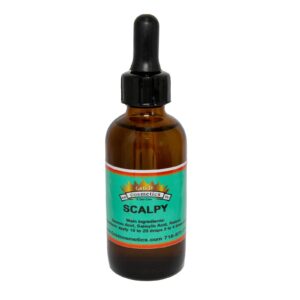
- Scalpy Drops: a scalp product you apply to wet hair before shampooing, made to help control the flaking, scaling and itching that come with dandruff.
- Seborrhea & Redness-Calming Kit: Kiwi Soap, Balancing Cream, Redness-Calming Cream and Sun Block for skin that shows both flaking and redness.
Common mistakes
- Scrubbing flakes off with a washcloth, brush or grainy exfoliant.
- Using toners, aftershaves or hair products that contain alcohol.
- Leaving shampoo or cleanser residue along the hairline and beard.
- Picking at scales, which can break the skin.
- Stopping your routine as soon as the skin clears, then waiting for the next flare.
- Piling heavy, oily balms onto flaky patches.
When to see a dermatologist
Mild flares often settle with steady home care. Even so, book an appointment with a dermatologist or doctor if you notice any of the following:
- Patches spread to your chest, back, armpits or groin, or cover large areas.
- The skin oozes, crusts over, feels hot or becomes painful, which can point to infection.
- Your eyelids swell, or your eyes feel sore, sticky or gritty.
- You lose patches of hair, or the scalp scales become thick and silvery.
- There is no clear improvement after about four weeks of consistent gentle care.
- The rash appears suddenly and severely, especially if you have a weakened immune system.
A dermatologist can confirm what you have and may recommend medicated shampoos, antifungal creams or other prescription care that a cosmetic routine cannot provide.
Frequently asked questions
Is seborrheic dermatitis on the face contagious?
No. You cannot catch it from another person or pass it on through towels, pillows or makeup. It comes from the way your skin reacts to oil and a yeast that lives on almost everyone’s skin. Even so, it is a good idea to wash pillowcases often and keep makeup brushes clean, because buildup can irritate already sensitive patches.
Can seborrheic dermatitis go away for good?
Seborrheic dermatitis tends to come and go over many years. Many people have long calm stretches, especially when they keep up a gentle routine and know their triggers. However, flares often return with stress, illness or cold weather. That is why steady daily care, plus a dermatologist’s plan for bad flares, usually works better than reacting only when patches appear.
Is seborrheic dermatitis the same as dandruff?
Dandruff is often a mild form of seborrheic dermatitis on the scalp. When the same process affects the face, you see flakes and redness on the brows, nose, ears or beard. Not all flaking is seborrheic dermatitis, though. Psoriasis, eczema and fungal infections can look similar, so ask a dermatologist to check if you are unsure.
Should I moisturize skin that already looks oily?
Usually, yes. Flaky patches can sit right next to shiny, oily skin. A light, alcohol-free moisturizer helps soften scales and supports the skin barrier without feeling greasy. Apply a thin layer to the patches after cleansing, and choose fragrance-free formulas. Heavy, oily balms can feel too rich on these areas, so keep textures light.
Can I use the same products on my face and scalp?
Sometimes, but not always. Scalp products are often stronger and can sting the thinner skin of the face and eyelids. Follow each label, and keep scalp products away from your eyes. If your dermatologist suggests a medicated shampoo for the face or beard, follow their exact directions for how long to leave it on.
Seborrheic dermatitis on the face rewards patience: gentle cleansing, light moisture, sunscreen and a little scalp care, every day. Browse our seborrhea products, and if your skin also stings easily, read our guide to patch testing new products. Not sure which products fit your skin? Send us a message and we will help you choose.