If you want to fade dark spots on your face, start with a realistic plan. Spots that took years of sun to form will not vanish in a week. Still, a steady routine can help them look lighter and help your skin tone look more even.
This guide explains what causes dark spots, which ingredients help, and how to set up a simple morning and night routine. It also covers the mistakes that slow progress and the signs that mean a dermatologist should look at a spot first.
Key takeaways
- Daily sunscreen protects every other step, because UV light makes spots darker.
- Vitamin C, glycolic acid, kojic acid, arbutin and retinol can help the look of uneven tone over time.
- Shallow dark spots often need 6 to 12 months to fade, so give one routine a fair trial.
- Gentle care matters, since irritation can leave new marks behind.
- A spot that changes in size, shape or color needs a dermatologist, not a cream.
What causes dark spots on the face?
Dark spots appear when your skin makes extra melanin, the pigment that gives skin its color. Several things can switch that process on. Sun exposure is the most common trigger. Each time UV light reaches your skin, pigment cells get a signal to work harder, so existing spots get darker and new ones can form.
Before you try to fade dark spots, it helps to know which type you have. Most facial spots fall into one of these groups:
- Sun spots: flat brown spots on the areas that see the most sun, such as the cheeks, nose, forehead and the backs of the hands.
- Post-inflammatory marks: flat marks left after a pimple, a scratch, a rash or a burn. They are more common in medium and darker skin tones.
- Melasma: larger, blotchy patches on both cheeks, the forehead or the upper lip. Hormones, heat and visible light all play a role, so it needs its own plan.
- Freckles: small spots that darken in summer and lighten in winter.
Knowing your type helps you pick the right approach. For example, a mark from last month’s pimple usually fades faster than a sun spot you have had for ten years.
Can you really fade dark spots at home?
In many cases, yes. Skincare can help fade dark spots that sit close to the surface of the skin. It works slowly, though, because your skin needs time to replace old, pigmented cells with new ones. According to the American Academy of Dermatology, shallow spots often take 6 to 12 months to fade, and deeper ones can take years.
So set an honest goal. You are aiming for spots that look lighter and softer, not skin that looks filtered. Home care also cannot reach deep pigment the way an in-office procedure can. If nothing has changed after three months of steady use, a dermatologist can tell you what else is possible.
Ingredients that help even out skin tone
You do not need a long shelf of products. Instead, choose one or two well-known ingredients and use them well. Here is how the most common options compare.
| Ingredient | What it does | Best time to use | Good to know |
|---|---|---|---|
| Sunscreen, SPF 30 or higher | Blocks the UV light that darkens spots | Every morning | The one step you should never skip |
| Vitamin C | An antioxidant that brightens the look of dull skin | Morning | Works well under sunscreen |
| Glycolic acid (an AHA) | Loosens dead cells so skin looks brighter | Evening, 2 to 3 times a week | Makes skin more sensitive to the sun |
| Kojic acid and arbutin | Brightening agents that help the look of uneven tone | Evening | Start slowly on sensitive skin |
| Retinol | Supports skin renewal for a more even look | Evening | Check with your doctor if you are pregnant |
Pick one brightening product for the evening. Then add vitamin C in the morning and sunscreen on top. That simple trio is enough for most people. Using several strong actives at once is one of the fastest ways to irritate your skin, and irritated skin can darken. If you want to add an exfoliant, read our guide to using glycolic acid at home first.
A step-by-step routine to fade dark spots
This plan suits most skin types. Keep it the same for at least eight weeks so you can judge it fairly.
- Morning cleanse: wash with a gentle cleanser and lukewarm water, then pat dry.
- Vitamin C: smooth a thin layer of vitamin C cream or serum over the whole face.
- Moisturizer: add a light cream if your skin feels tight or dry.
- Sunscreen: finish with a broad-spectrum SPF 30 or higher. Reapply every two hours when you are outdoors.
- Evening cleanse: remove sunscreen and makeup fully, then wash again if needed.
- Brightening step: apply a very thin layer of your brightening cream. Do not rub it in hard.
- Two or three nights a week: swap the brightening step for a gentle exfoliant, but never use both on the same night.
For the first two weeks, use the brightening product every other night. If your skin stays calm, move to every night. However, if it stings, burns or peels, go back a step and add more moisturizer. Sunscreen matters so much here that we wrote a full guide on choosing sunscreen for hyperpigmentation.
How to track your progress
Dark spots fade so slowly that it is easy to think nothing is happening. A simple photo habit helps. Take a picture every two weeks in the same place, with the same light and no makeup. Daylight from a window works best.
Compare the photos after two months, not after two days. Look at the size and the edges of each spot as well as its color. If you see no change at all after three months, it is time for a professional opinion.
Products that fit this routine
These products can help you fade dark spots as part of the routine above:
- Even-Tone Kit — Intensive: a morning and night set of Bleach Soap, Adi Clear, Bleach Cream, Shoval A and Sun Block, put together to address the look of dark or dull skin tone.
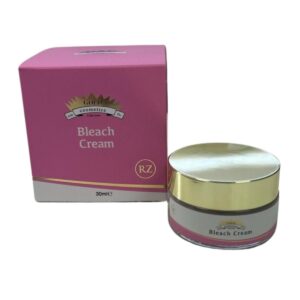
- Bleach Cream: an evening lightening cream for the look of uneven tone. Keep it in the fridge and wear sunscreen every morning while you use it.
- Control Serum PH 5.5: a serum for mature, sun-damaged, oily, dry and combination skin that helps the look of pigmentation marks and brightens the skin.
- Vitamin C & Mineral Gold Day Cream: a vitamin C day cream that helps the look of brown spots and other discoloration.
- Sun Block SPF 50 Regular: an oil-free, lightweight SPF 50 with UVA and UVB protection that stays water resistant for up to 80 minutes.
If you are pregnant or breastfeeding, check with your doctor before you use brightening products, acids or retinoids.
Common mistakes
- Skipping sunscreen on cloudy days: UVA light passes through clouds and window glass, so spots keep getting a signal to darken.
- Picking or scrubbing: friction and small injuries can leave new marks behind.
- Too many actives at once: stacking acids, retinol and brightening creams often ends in redness and peeling.
- Switching products every few weeks: no product gets enough time to show what it can do.
- Kitchen remedies: lemon juice and similar tricks can irritate skin, and some react badly with sunlight.
When to see a dermatologist
Skincare supports your daily care, but it does not replace a diagnosis or treatment by a dermatologist. Not every dark spot is harmless, so book a visit if you notice any of these signs:
- A spot that changes in size, shape or color, or looks different from your other spots.
- Uneven or blurry borders, several colors in one spot, or a spot larger than a pencil eraser.
- A spot that itches, bleeds, crusts or does not heal.
- Dark patches that appear suddenly or spread fast.
- No visible change after three months of steady, gentle care.
The ABCDE guide from the American Academy of Dermatology explains these warning signs in more detail.
Frequently asked questions
How long does it take to fade dark spots?
It depends on how deep the pigment sits and how long the spot has been there. Marks left by a pimple can start to look lighter within a few months. Older sun spots usually take longer. Many people need 6 to 12 months of daily sunscreen and a steady routine before they see a clear change. Deeper pigment can take even longer, so patience is part of the plan.
Can I use vitamin C and glycolic acid together?
Yes, but not at the same time. Use vitamin C in the morning under sunscreen, and use glycolic acid in the evening two or three times a week. Splitting them this way lowers the chance of stinging and redness. If your skin is sensitive, start with one of them for a few weeks before you add the other.
Does lemon juice help dark spots fade?
It is better to skip it. Lemon juice is very acidic and can sting, dry and irritate the skin. Irritation itself can lead to new dark marks, which is the opposite of what you want. Some plant juices can also react with sunlight and cause a rash. A cosmetic product made for your skin type is a more predictable choice.
Will my dark spots come back?
They can. Sun exposure, heat, hormones and skin injuries can all bring pigment back, even after a spot has faded. That is why sunscreen stays in your routine after you reach your goal. Many people keep a lighter version of their routine, such as vitamin C and sunscreen every morning and a brightening product a few nights a week.
Can I use brightening creams while pregnant?
Check with your doctor first. Some brightening ingredients, retinoids and acids are not a good fit during pregnancy or breastfeeding, and your doctor knows your full health picture. In the meantime, gentle cleansing, a simple moisturizer and daily sunscreen are good habits to keep. Pregnancy can also trigger melasma, which is one more reason to protect your skin from the sun.
Learning to fade dark spots is a slow, steady project, and small daily habits matter more than any single product. Start with sunscreen, add one brightening step and give it time. You can browse our full range of pigmentation and dark spot products. Not sure which products fit your skin? Send us a message and we will help you build a routine.