Red, itchy bumps a day or two after you shave or wax are usually ingrown hairs. The good news is that the right prep and aftercare can prevent ingrown hairs most of the time, on your face, legs, underarms or bikini line.
Below you will find why they form, a simple routine for before and after hair removal, how to care for a bump that already appeared and the signs that mean you should see a doctor.
Key takeaways
- Ingrown hairs form when a hair curls back or grows sideways into the skin instead of rising out of the follicle.
- Curly or coarse hair, very close shaves and tight clothing all raise the risk.
- Soften hair before you shave, shave in the direction of growth and use a sharp blade.
- Gentle exfoliation two or three times a week keeps dead skin from trapping new hairs.
- Never dig out a hair. See a doctor if a bump is very painful, hot or swollen, or if you feel unwell.
Why ingrown hairs happen
After you shave, wax or pluck, the hair grows back with a sharp or broken tip. Sometimes that tip curls back into the skin. In other cases, dead skin blocks the opening of the follicle, so the hair grows sideways under the surface. Your skin then reacts to the hair as if it were a splinter, which causes a red, itchy or tender bump.
According to the NHS, ingrown hairs are more common in areas that you shave, wax, pluck or thread. You are also more likely to get them if:
- Your hair is curly or coarse, because it bends back toward the skin more easily.
- You shave very close, or stretch the skin while you shave.
- You wax often and the hair breaks instead of coming out at the root.
- Tight clothing rubs freshly shaved or waxed skin, especially on the bikini line and thighs.
On the beard area, many men with curly hair get a related problem called razor bumps. The prevention steps below help with both.
How to prevent ingrown hairs when you shave
Most shaving bumps come down to technique. These steps, also echoed in the AAD’s razor bump prevention tips, make a real difference:
- Soften first. Shave at the end of a warm shower, or hold a warm, damp cloth on the area for a few minutes.
- Use a gel or cream. Never shave dry skin.
- Go with the grain. Shave in the direction your hair grows, with short, light strokes.
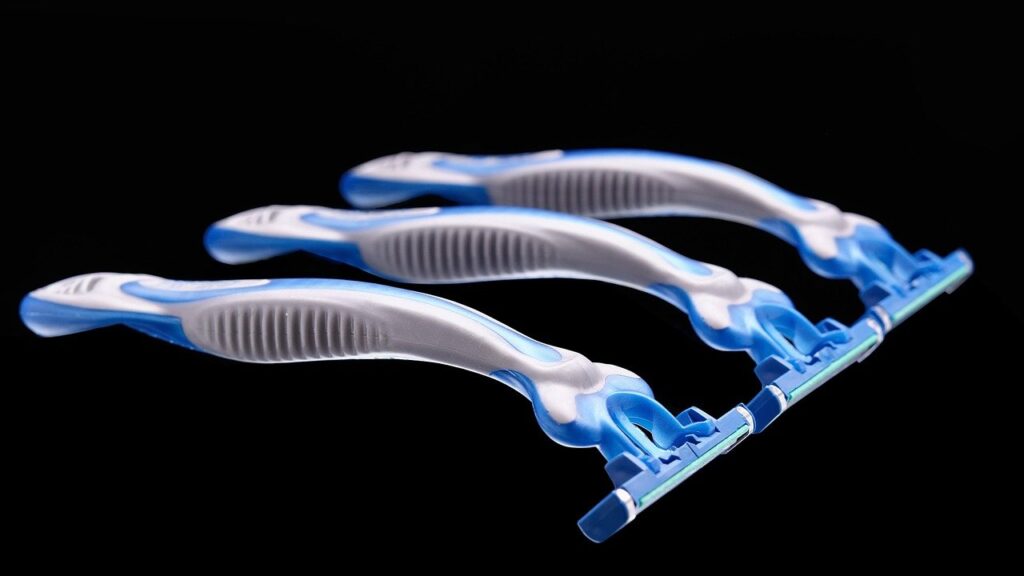
- Keep the blade sharp. Rinse it after every stroke and replace it often.
- Do fewer passes. Going over the same spot again and again cuts hair below the surface.
- Do not stretch the skin. Taut skin lets the hair snap back below the surface.
- Consider a trimmer. If you get bumps often, leaving a little stubble with an electric trimmer can help.
After shaving, rinse with cool water and apply a soothing, fragrance-free lotion.
How to prevent ingrown hairs after waxing
Waxing pulls hair from the root, so new hairs have to push through the skin’s surface again. That is why care in the days around your appointment matters:
- Exfoliate gently one or two days before you wax, not on the same day.
- Let hair grow to the length your esthetician recommends, so it comes out cleanly instead of breaking.
- For 24 hours afterward, skip hot baths, saunas, sweaty workouts and tight clothing.
- Keep the area clean and apply a soothing gel or lotion.
- Wait about two days, then start gentle exfoliation two or three times a week.
A weekly routine for smooth, bump-free skin
Whether you shave or wax, this simple plan helps prevent ingrown hairs between sessions:
- Hair removal day: soften the hair, shave or wax with good technique, then rinse with cool water.
- Same evening: apply a soothing gel or lotion. Skip scrubs and acids for now.
- Days two and three: keep moisturizing, and wear loose clothing over the area.
- From day three: exfoliate gently two or three times a week with a soft scrub or an exfoliating product.
- Every day: moisturize, because soft skin lets new hairs rise through the surface more easily.
- Areas that bump often: apply a product made for ingrown hairs on a regular basis.
Want to try an exfoliating acid instead of a scrub? Our guide to glycolic acid at home explains how to start. If you are pregnant or breastfeeding, check with your doctor before you use exfoliating acids or other actives.
Shaving vs. waxing vs. other methods
No method is bump-free for everyone. However, some carry more risk than others:
| Method | Ingrown hair risk | Tips |
|---|---|---|
| Razor shaving | Higher, especially with close shaves | Soften hair, go with the grain, use a sharp blade |
| Waxing | Medium, as hairs grow back | Exfoliate between sessions, avoid tight clothing |
| Electric trimmer | Lower, since it leaves some stubble | Good for the beard and bikini line |
| Hair removal cream | Lower for many people | Patch test first, since it can irritate |
| Laser hair removal | Lowest over time | Done by a trained professional over several sessions |
For example, if your bikini line bumps every time you shave, switching to a trimmer or to professional laser hair removal may solve the problem at its source.
How to care for an ingrown hair that already formed
Most ingrown hairs settle on their own. Meanwhile, you can help the skin calm down:
- Stop shaving or waxing that area until the bump settles.
- Hold a warm, damp cloth on the bump for a few minutes, two or three times a day.
- Exfoliate gently around the area to help free the hair.
- Apply a soothing gel to calm the feel of redness and itching.
- Do not squeeze, pick or dig for the hair, since that can lead to infection, marks or scars.
Sometimes a bump leaves a dark spot behind, especially on medium to deep skin. To understand those spots, read how to tell scars from discoloration.
Products that fit this routine
These products from our store support the steps above, from exfoliation to soothing aftercare:
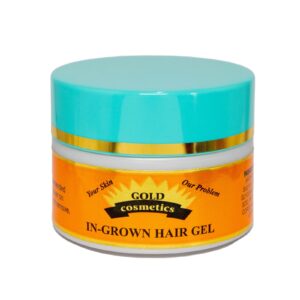
- In-Grown Hair Gel: a gel for areas you shave or wax, from face and underarms to legs and bikini line. It helps remove the dead upper layer of skin that can trap hairs, and it keeps skin soft and hydrated.
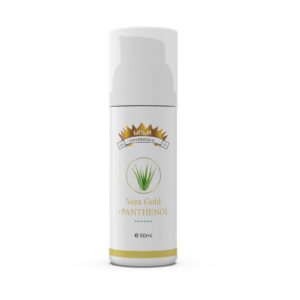
- Vera Gold +Panthenol: a moisturizing lotion with aloe vera, panthenol (pro-vitamin B5) and jojoba oil that soothes the feel of redness and itching from dryness or after hair removal.
- Aloe Vera Gel: a pure, non-sticky aloe vera gel with soothing qualities for skin that feels irritated.
- Apricot Body Scrub: a non-oily body scrub with vitamin E and essential oils for gentle exfoliation of dead skin, used twice a week on damp skin.
Common mistakes
- Shaving dry skin, or using a dull blade.
- Going over the same spot again and again, against the grain.
- Scrubbing or using acids right after waxing, when skin is most sensitive.
- Squeezing bumps or digging hairs out with tweezers.
- Wearing tight leggings or underwear right after hair removal.
- Putting strongly scented products on freshly shaved skin.
When to see a dermatologist
Most ingrown hairs are harmless, but some need medical care. See a doctor or dermatologist if:
- The bump is very painful, hot or swollen, or it fills with pus. These can be signs of infection.
- You have a fever or feel shivery or unwell.
- Bumps keep coming back in the same place, or form deep, painful lumps in the underarms or groin.
- Bumps leave dark marks or raised, thick scars.
- Beard bumps do not settle, even with careful shaving.
- You are not sure the bump is an ingrown hair.
Frequently asked questions
Can exfoliating prevent ingrown hairs?
Yes, it helps. Gentle exfoliation two or three times a week clears the dead skin that can block the follicle, so new hairs grow out instead of sideways. Use a soft scrub or a mild exfoliating product, and avoid harsh scrubbing. Do not exfoliate on the same day as waxing or right after a close shave.
How soon after waxing can I exfoliate?
Wait about two days. Right after waxing, the follicles are open and the skin is sensitive, so scrubs and acids can sting or cause redness. From the third day on, exfoliate gently two or three times a week until your next session, and stop a day or two before your next appointment.
Should I pull out an ingrown hair?
No. Digging for a hair with tweezers or a needle can break the skin, let in bacteria and leave a mark or scar. Instead, use a warm compress and gentle exfoliation so the hair can work its way out. If a bump becomes painful, hot or swollen, see a doctor rather than trying to open it.
Why do I get ingrown hairs on my bikini line?
The hair there is often coarse and curly, the skin is thin, and tight underwear rubs the area all day. That combination makes it easy for hairs to curl back in. Shaving with the grain, wearing loose cotton underwear after hair removal and exfoliating gently between sessions all help.
Do ingrown hairs leave dark marks?
They can, especially on medium to deep skin tones or when bumps are picked. These marks are flat spots of extra pigment, and most fade over a few months. Daily sunscreen on exposed areas and gentle exfoliation help them fade sooner. Raised or thick scars, on the other hand, are worth showing to a dermatologist.
A little prep, good technique and steady aftercare go a long way. If you soften the hair, shave with the grain and exfoliate between sessions, you can prevent ingrown hairs on most days and enjoy smoother skin. You will find the In-Grown Hair Gel in our acne and breakout collection, and soothing lotions among our products for sensitive skin. Not sure which products fit your skin? Send us a message and we will help you choose.