If you want to minimize large pores, start with one honest fact: you cannot change their real size much, but you can change how they look. Pores are not a flaw. Every hair follicle has one, and they let oil reach the surface of your skin.
Pores look bigger when they fill with oil and dead skin, and when skin loses firmness. This guide covers why that happens, the habits and ingredients that help, a simple routine and the mistakes that make pores more visible.
Key takeaways
- Pore size depends mostly on genetics, skin type and age. You can change how pores look, not remove them.
- Clear pores look smaller, so gentle cleansing and regular exfoliation matter most.
- Salicylic acid, glycolic acid and retinol have the best track record for the look of pores.
- Daily sunscreen protects skin firmness, which keeps pores from looking stretched over time.
- Squeezing, harsh scrubs and heavy products all make pores look bigger.
Why pores look large
A few things make pores stand out more than they need to:
- Extra oil. Oily skin produces more sebum, and that oil stretches the pore opening. This is why pores look biggest on the nose, forehead and chin.
- Buildup inside the pore. When oil mixes with dead skin cells, it forms a plug. Blackheads look like dark dots and make the opening easy to see.
- Loss of firmness. With age and sun exposure, skin loses collagen. As a result, the skin around each pore sags a little and the opening looks wider.
- Genetics. Some people simply have larger pores, no matter how well they care for their skin.
- Irritation. Rough scrubbing and picking make the skin swell, so pores look more obvious.
Also, many people mistake sebaceous filaments for blackheads. These are the small gray or tan dots on the nose. They are normal, and they fill back up within days after you squeeze them.
Can you really minimize large pores?
Yes, as long as you aim for the look of smaller pores. No product can close a pore, and cold water does not shrink it either. However, a pore that stays clear and sits in firm, healthy skin looks much smaller.
The American Academy of Dermatology recommends a simple approach: use products that will not clog pores, wash gently twice a day, use ingredients such as retinol and salicylic acid, and wear sunscreen every day. In other words, steady basics beat quick fixes.
So the plan has two parts. First, keep pores clear of oil and dead skin. Second, protect the firmness of the skin around them.
Ingredients that help minimize pores
These ingredients have the best track record for the look of pores. Choose one or two, not all of them at once.
| Ingredient | How it helps | How often | Good to know |
|---|---|---|---|
| Salicylic acid (BHA) | Dissolves in oil and clears buildup inside the pore | Daily cleanser or 3 to 4 nights a week | Great for blackheads and oily skin |
| Glycolic acid (AHA) | Exfoliates the surface for smoother, brighter skin | 2 to 3 nights a week | Can sting at first. Use SPF daily. |
| Retinol | Speeds up cell turnover and supports firmness | 2 to 3 nights a week, then more | Night only. Expect some dryness at first. |
| Niacinamide | Helps balance the look of oil and shine | Morning and night | Gentle and easy to pair with other steps |
| Clay or peel-off masks | Absorb surface oil and lift impurities | Once a week | Skip on dry or irritated skin |
If you are new to acids, our guide to using glycolic acid at home explains how to start safely. And if you are pregnant or breastfeeding, check with your doctor before you use acids, retinoids or brightening agents.
A simple routine to minimize large pores
This plan suits oily and combination skin. Then, if your skin is dry, use a richer moisturizer and exfoliate less often.
- Morning cleanse: wash with a gentle gel cleanser and lukewarm water.
- Light hydration: apply an oil-free, non-comedogenic moisturizer.
- Sunscreen: finish with a broad-spectrum SPF 30 or higher every day.
- Evening cleanse: remove sunscreen and makeup, then wash again.
- Night active: on most nights, use one active, such as salicylic acid or retinol. Alternate nights if you use two.
- Night moisturizer: seal in with a light cream.
- Once a week: use a clay or peel-off mask on your T-zone instead of your active that night.
Give the routine six to eight weeks. Pores tend to look smaller slowly, as buildup clears and skin tone evens out.
Daily habits that minimize the look of pores
Small habits add up. These can help you minimize the look of pores between routine steps:
- Choose makeup and sunscreen marked oil-free or non-comedogenic.
- Never sleep in makeup. Even one night can leave pores clogged.
- Blot shine during the day with blotting papers instead of adding more powder.
- Clean makeup brushes and sponges every week.
- Keep your hands, and your phone, away from your face.
- Pat your face dry rather than rubbing it with a towel.
If breakouts are part of the picture, a full morning and night plan for adult breakouts will help with both.
Products that fit this routine
These products from our store suit the routine above. Start with one kit or one active, then add more only if your skin stays calm.
- Pore Refining Kit: Bleach Soap, Lior 22, Ron Rice Cream and Sun Block in one set, made for skin with open pores, marks and uneven tone.
- Lior 22: a serum for all skin types, especially problem skin with open pores and scars. It helps skin look tighter and smoother when you apply it once or twice a day on clean skin.
- Ita Peel off Mask: a peel-off mask that draws out impurities and deeply cleans pores, for a tighter, firmer-looking complexion.
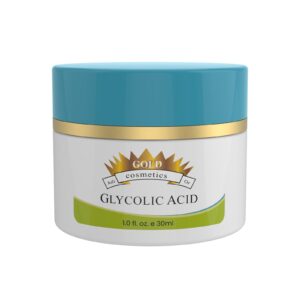
- Glycolic Acid: an exfoliating AHA that loosens the “glue” between dead skin cells, so they shed and reveal brighter, more even-looking skin.
- Sun Block SPF 50 Regular: an oil-free, lightweight SPF 50 that absorbs quickly without white streaks and is water-resistant for up to 80 minutes.
Common mistakes
- Squeezing blackheads or using metal extractors at home, which can stretch and scar the pore.
- Scrubbing every day with rough grains or brushes.
- Using pore strips often. They remove only the top of the plug and can irritate the skin.
- Skipping moisturizer, so oily skin feels tight and may make even more oil.
- Expecting ice or cold water to close pores for good.
- Switching products every week before any of them has had time to work.
When to see a dermatologist
Large pores are not a medical problem, but a dermatologist can help if home care is not enough. Book a visit if:
- Your pores still bother you after three months of a steady routine.
- You have many deep blackheads or frequent breakouts.
- You notice small, firm, yellowish bumps with a dip in the center. These can look like large pores but need a proper diagnosis.
- You want to discuss in-office options such as chemical peels, laser treatment or prescription retinoids.
Frequently asked questions
Can ice or cold water minimize pores?
Cold water or ice can make skin feel tighter for a few minutes, and pores may look a little smaller right after. The effect does not last, though, because cold does not change the pore itself. For a visible change, focus on keeping pores clear with gentle exfoliation and on protecting skin firmness with daily sunscreen.
Do pore strips minimize pores?
Pore strips pull out the top part of a blackhead, so your nose may look clearer for a day or two. However, they do not clear the rest of the plug, and the pore fills back up quickly. Frequent use can also irritate the skin. A salicylic acid product used regularly does a better job.
Are blackheads and sebaceous filaments the same thing?
No. Blackheads are clogged pores with a dark, oxidized plug. Sebaceous filaments are the small gray or tan dots you see on the nose, and they are a normal part of how skin moves oil. Squeezing them does not help, because they refill within days. Regular exfoliation keeps both less visible.
How long does it take for pores to look smaller?
Most people see a difference after six to eight weeks of a steady routine. Clearing buildup with salicylic or glycolic acid can show results sooner, while firmness from retinol takes longer, often a few months. Daily sunscreen protects those results over time, so keep it in your routine even when pores look better.
Does oily skin always mean large pores?
Not always, but the two often go together. Extra oil stretches the pore opening and makes buildup more likely, so oily areas such as the nose and forehead usually show the largest pores. Dry skin can also have visible pores, especially as skin loses firmness with age and sun exposure.
You cannot erase pores, and you do not need to. With clear pores, steady exfoliation and daily sunscreen, you can minimize large pores so they blend into smooth, healthy-looking skin. Browse our products for oily skin to find options that suit your routine. Not sure which products fit your skin? Send us a message and we will help you choose.