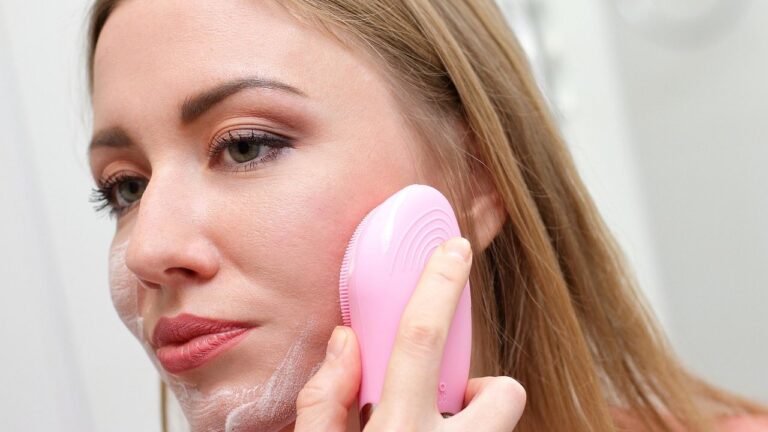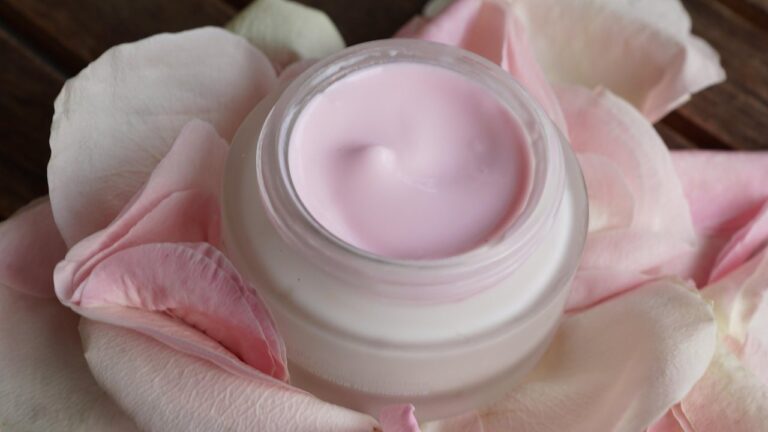
Sulfur is one of the oldest ingredients for breakout-prone skin, and it still earns its place today. Used the right way, sulfur for acne helps dry the surface of blemishes and keep pores clearer, with a softer feel than many stronger actives.
Below you will learn how it works, which skin types tend to like it, how to fit it into your routine and when to choose something else. Keep in mind that skincare supports your daily care. It does not replace a diagnosis or treatment from a dermatologist.
Key takeaways
- Sulfur helps dead skin cells shed and dries surface oil, so it suits oily skin with whiteheads and small red bumps.
- Many people find it gentler than benzoyl peroxide, but it can still feel drying, and it has a distinct smell.
- Apply a thin layer, start every other night and always follow with moisturizer at night and SPF in the morning.
- Skip it if your skin has reacted to sulfur before, and check with your doctor first if you are pregnant or breastfeeding.
- Deep, painful or scarring acne needs a dermatologist, not a stronger cream.
What sulfur does on acne-prone skin
Sulfur is a naturally occurring element. In skincare, it works mainly as a keratolytic. That means it helps loosen and shed the dead skin cells that can build up and block pores. In addition, it has a drying effect on the surface, so it helps soak up excess oil around a blemish.
Because of this, sulfur has been part of care for oily, blemish-prone skin for a very long time. You will find it in spot products, overnight creams, masks and cleansers. Some prescription formulas also pair it with other ingredients, such as sodium sulfacetamide.
Here is what sulfur can realistically do for you:
- Help whiteheads and small bumps dry out and look less visible.
- Reduce the shiny, greasy look of oily areas.
- Support clearer-looking pores with regular use.
- Calm the look of redness around a blemish as it dries.
What it cannot do is reach deep, painful cysts or fill in old scars. For those, read the section on when to see a dermatologist below.
Who sulfur for acne suits best
Sulfur tends to work well for:
- Oily or combination skin, especially a shiny T-zone.
- Mild to moderate breakouts with whiteheads and small red bumps.
- People who find benzoyl peroxide too harsh, or who dislike how it bleaches towels.
- Adults who get a few breakouts around the chin and jawline each month.
- Anyone who wants a simple overnight spot product.
So if your breakouts are mostly small and close to the surface, sulfur for acne is a sensible first choice. If you mainly have blackheads, salicylic acid may suit you better. You can see how the options compare in the table below.
Who should skip sulfur or go slowly
- Very dry, flaky or eczema-prone skin, since sulfur adds dryness.
- Anyone whose skin has reacted to sulfur products before.
- People already using a prescription retinoid or another acne medicine. Ask your dermatologist before you add anything.
- Anyone who is pregnant or breastfeeding. Check with your doctor before you use acne actives, including sulfur, acids and retinoids.
Also, think about the smell. Sulfur has a distinct, slightly earthy scent. Modern formulas soften it, and it fades once the product dries. Still, many people prefer to use sulfur at night for that reason.
Sulfur vs. other acne ingredients
No single active suits everyone. This comparison shows where sulfur fits:
| Ingredient | Main job | Best for | Watch out for |
|---|---|---|---|
| Sulfur | Dries surface oil, helps dead skin shed | Oily skin, whiteheads, small red bumps | Dryness, distinct smell |
| Salicylic acid (BHA) | Oil-soluble exfoliant that works inside the pore | Blackheads, clogged pores | Dryness, stinging on broken skin |
| Benzoyl peroxide | Targets acne bacteria | Red, swollen pimples | Bleaches fabric, can irritate |
| Glycolic acid (AHA) | Exfoliates the surface | Dullness, post-acne marks | Sun sensitivity, stinging |
| Retinoids | Speed up cell turnover | Clogged pores, texture, fine lines | Peeling and redness at first |
For example, many people pair sulfur at night with a gentle salicylic acid cleanser in the morning. However, avoid using sulfur, a retinoid and an acid all on the same night.
How to use sulfur for acne: a simple routine
First, patch test. Apply a small amount on your jawline for two or three nights. If there is no burning or rash, you can start the routine below.
- Cleanse at night: wash with a gentle cleanser and pat your skin dry.
- Wait a few minutes: sulfur works best on fully dry skin.
- Apply a thin layer: spread a very thin layer over breakout areas. Do not rub it in hard, and keep it away from your eyes, lips and the corners of your nose.
- Moisturize if needed: if your skin feels tight, add a light, oil-free moisturizer on top.
- Protect in the morning: cleanse, moisturize and apply SPF 50 before you go out.
- Build up slowly: start every other night for two weeks, then move to nightly use if your skin stays calm.
If you only get the odd pimple, you can use sulfur as a spot product instead. Simply dab a small amount on the blemish at night.
What to expect in the first weeks
During the first week, your skin may feel a little drier, especially around the nose and chin. That is normal. But if you see burning, swelling or a rash, stop and let your skin settle.
Many people notice that small bumps dry out faster within a couple of weeks. Overall, give the routine four to six weeks before you judge it. If you want the bigger picture, our morning and night plan for adult breakouts shows how sulfur fits into a full routine. And if marks remain after blemishes clear, learn how to tell scars from discoloration.
Products that fit this routine
These products from our store fit a sulfur-based routine, or offer an alternative if sulfur is not right for you:
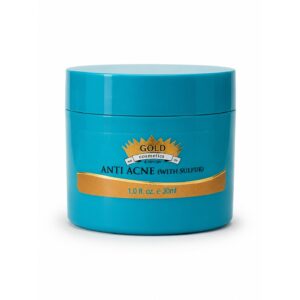
- Anti Acne with Sulfur: a cream with sulfur, a keratolytic agent that encourages the shedding of dead skin cells that block pores. Apply a very thin layer after cleansing and do not rub.
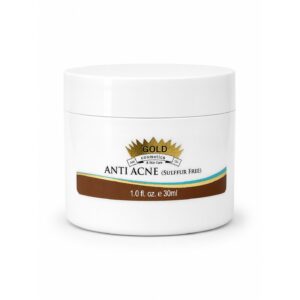
- Anti Acne Sulfur Free: a light cream without sulfur that helps balance the look of oily skin and clogged pores, and it does not clog pores itself.
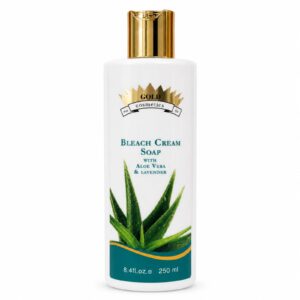
- Bleach Cream Soap: the facial soap suggested as the first step before the sulfur cream. It respects the skin’s pH balance.
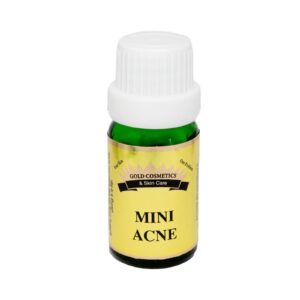
- Mini Clear Spot Care: a spot product for single blemishes that helps dry up excess oil. Dab it on at night with a cotton swab.
- Mini Sun Block SPF50 (no color): an oil-free, lightweight SPF 50 with no tint for your morning step.
Common mistakes
- Applying a thick layer. More product means more dryness, not faster results.
- Rubbing the cream in hard. Spread it lightly and leave it.
- Using sulfur on the same night as a retinoid or a strong acid.
- Skipping moisturizer and sunscreen because your skin feels “too oily”.
- Expecting sulfur to clear deep cysts or old scars.
- Giving up after one week, before the routine has had time to work.
When to see a dermatologist
Sulfur is a good fit for mild breakouts close to the surface. See a board-certified dermatologist if:
- You have deep, painful lumps or cysts.
- Breakouts leave scars or lasting dark marks.
- Your skin burns, blisters or develops a rash after any acne product.
- Nothing changes after two to three months of steady use.
- Acne affects your mood, sleep or confidence.
The NHS guide to acne also lists the signs that mean it is time to get medical advice.
Frequently asked questions
Does sulfur for acne smell bad?
Sulfur has a distinct, slightly earthy smell. Most modern formulas soften it with other ingredients, and the scent fades as the product dries on your skin. If the smell bothers you, use it at night only. Either way, the odor does not stay on your skin once you wash your face in the morning.
Can I use sulfur with other acne products?
Yes, with care. A gentle salicylic acid cleanser in the morning and sulfur at night is a common pairing. Avoid layering sulfur, a retinoid and an exfoliating acid on the same night, because that mix often leads to dryness and irritation. When in doubt, alternate nights or ask your dermatologist.
Is sulfur gentle enough for sensitive skin?
Many people find sulfur milder than benzoyl peroxide, but it still dries the skin. If your skin is sensitive, patch test first, use a very thin layer every other night and always follow with moisturizer. Stop if you notice burning, swelling or a rash. Very dry or eczema-prone skin usually does better with other options.
How long does sulfur take to work on pimples?
Small whiteheads often look flatter within a few days of spot use. For a visible change across your skin, give a regular routine at least four to six weeks. New breakouts can still appear in that time, which is normal. If you see no change after two to three months, talk to a dermatologist.
Does sulfur help with blackheads?
Sulfur helps loosen dead skin and soak up surface oil, so it supports clearer-looking pores. Still, salicylic acid is usually the better pick for blackheads, because it dissolves in oil and works inside the pore. Many people use a salicylic acid cleanser for blackheads and sulfur for small red bumps.
Sulfur will not suit everyone, but for oily skin with small breakouts close to the surface, it is a gentle, time-tested choice. Start slowly, keep the layer thin and protect your skin every morning. You can browse sulfur creams, spot products and complete kits in our acne collection. Not sure which products fit your skin? Send us a message and we will help you build the right routine.