A good anti-aging skincare routine is simpler than most bathroom shelves suggest. At every age, three basics do most of the work: gentle cleansing, a moisturizer and daily sunscreen.
What changes with each decade is what you add on top, and how much your skin can handle. This guide walks you through your 30s, 40s and 50s. It also gives honest notes on what creams can and can’t do.
Key takeaways
- Daily sunscreen is the most useful anti-aging step at any age.
- Your 30s are about prevention, so add an antioxidant and one gentle night active.
- In your 40s, focus on hydration, gentle exfoliation and your neck.
- After 50, skin gets drier, so richer creams and a slower pace usually work best.
- Add one new product at a time, then give it six to twelve weeks.
Why your skin changes with age
Skin ages in two ways. The first is the slow, built-in process. Cell turnover gets slower, skin makes less oil, and the support network of collagen and elastin thins out.
The second comes from outside. UV light is the biggest factor, but smoking, pollution and poor sleep also play a part. These outside factors are the part you can change. That is why the American Academy of Dermatology puts sun protection first in its tips to reduce premature skin aging.
The core anti-aging skincare routine for every age
Before you think about serums, get the basics right. These steps stay the same from your 20s to your 80s. In fact, most of the visible change comes from doing them every day, not from any single jar.
- In the morning, cleanse with a mild cleanser, or simply rinse with water if your skin is dry.
- Next, apply an antioxidant such as vitamin C if your skin tolerates it.
- Follow with a moisturizer that suits your skin type.
- Finish with sunscreen, SPF 30 or higher, on your face, neck and the backs of your hands.
- At night, cleanse again to remove sunscreen, makeup and the grime of the day.
- Then apply your one active product, for example a peptide serum or an exfoliating acid.
- Finally, seal everything in with a moisturizer or night cream.
Your 30s: an anti-aging routine built on prevention
In your 30s, the first fine lines often show up around the eyes and on the forehead. Cell turnover is slowing, so skin can look a little duller than before. However, it still bounces back well, which makes this decade the best time for prevention.
- Make sunscreen a daily habit, even on cloudy days and in winter.
- Add an antioxidant in the morning, because it helps defend skin against daily UV and pollution stress.
- Start one night active slowly, two or three nights a week at first.
- Use an eye cream if the eye area feels dry, and pat it on with your ring finger.
- Keep your moisturizer, even if your skin feels oily by midday.
Your 40s anti-aging routine: hydration, texture and the neck
Many people notice the biggest shift in their 40s. Lines that used to fade by midday now stay. Skin may also feel drier, and sun spots from earlier years become easier to see. Hormonal changes before menopause can make skin less predictable too.
- Layer hydration, because a serum with hyaluronic acid under your moisturizer helps skin hold water.
- Keep exfoliating, but gently. Once or twice a week is plenty for most people.
- Choose one targeted night product for your main concern, whether that is lines, tone or firmness.
- Extend every step to your neck and chest, since these areas show age as fast as your face. Our guide to neck and double chin care covers this area step by step.
- Watch for irritation, because stinging or burning means you are doing too much.
Your 50s and beyond: a gentler anti-aging routine
After menopause, skin usually becomes drier and thinner, and it loses firmness faster. Because of that, the routine should feel comfortable. Strong peels and harsh scrubs often cause more redness than results at this stage.
- Switch to a creamy cleanser, or cleanse only once a day if your skin feels tight.
- Apply a richer night cream while your skin is still slightly damp.
- Keep your night active, although you may need fewer nights per week.
- Choose collagen and peptide products with realistic expectations. Our article on what topical collagen can and can’t do explains why.
- Stay with sunscreen, since sun damage still adds up at every age.
The AAD guide to skin care in your 40s and 50s gives the same advice: protect, moisturize daily and wash gently.
How the anti aging skincare routine changes by decade
Use this table as a quick guide. Your own skin type matters more than your birth year, so adjust as you go.
| Age | Common changes | Main focus | Night active |
|---|---|---|---|
| 30s | First fine lines, slight dullness | Sunscreen, antioxidant, prevention | 2 to 3 nights a week at first |
| 40s | Drier skin, sun spots, deeper lines | Hydration, gentle exfoliation, neck care | Most nights, if skin tolerates it |
| 50s and beyond | Thinner, drier skin, less firmness | Rich moisture, comfort, sun protection | Fewer nights if skin feels sensitive |
How to add new products without irritation
The fastest way to make skin look older is to irritate it. Redness, flaking and stinging all make lines more visible. So add one new product at a time, and patch test it on a small area first.
Then give each product six to twelve weeks before you decide. A moisturizer can make skin look smoother within days, but most actives take longer. If you are pregnant or breastfeeding, check with your doctor before you use retinoids, acids or brightening products.
Products that fit this routine
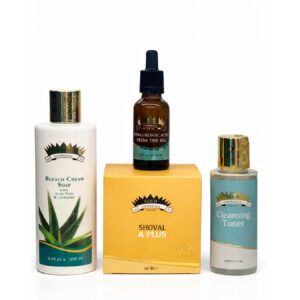
Our kits follow the same order of steps: cleanse, treat and protect. Pick the one that matches what you see in the mirror, or start with single products.
- Fine Lines Kit — Light: combines Kiwi Soap, Anti Wrinkles Cream, Collagen from the Sea and SPF 50 sunblock to moisturize and help the look of fine lines.
- Fine Lines Kit — Medium: a fuller set with Kiwi Soap, the hyaluronic acid cream Eliko 2, Kinetin, Vitamin C from the Sea, Shoval A and SPF 50 sunblock.
- Shovalit Solution: a night serum with peptides and antioxidants, used as just 2 to 3 drops after cleansing and before moisturizer.
- Hyaluronic Acid from the Sea: helps skin hold moisture, which may smooth the look of fine lines, for face and neck morning and night.
- Sun Block SPF 50 Regular: an oil-free, lightweight sunscreen with UVA and UVB protection that stays water-resistant for up to 80 minutes.
Common mistakes
- Starting several new actives at once, so you can’t tell which one caused a reaction.
- Skipping sunscreen on cloudy days, although UV still reaches your skin.
- Scrubbing hard or exfoliating daily, which leaves skin red and rough.
- Stopping at the jawline and forgetting the neck, chest and hands.
- Judging a product after two weeks instead of waiting at least six.
When to see a dermatologist
Good skincare doesn’t replace a skin check. Book a visit with a dermatologist if you notice any of these signs:
- A new spot, or a mole that changes in size, shape or color.
- A sore that bleeds or doesn’t heal within a few weeks.
- A rough, scaly patch that keeps coming back on sun-exposed skin.
- Sudden dryness or itching that moisturizer doesn’t calm.
- Lines or sagging that bother you, if you want to discuss in-office options.
Frequently asked questions
At what age should I start an anti-aging skincare routine?
There is no fixed age, but your mid to late 20s is a sensible time to begin. Start with daily sunscreen, a gentle cleanser and a moisturizer, because these basics prevent much of the damage that shows up later. Then add an antioxidant or a mild night active in your 30s, when the first fine lines usually appear.
Can I use the same routine in my 30s and my 50s?
The core steps stay the same: cleanse, moisturize and protect from the sun. What changes is the texture and strength of the products. In your 50s, skin is usually drier and more sensitive, so richer creams and fewer active nights tend to work better. Follow how your skin feels rather than the age on the jar.
How long does it take to see results?
A good moisturizer can make skin look smoother within days. However, most other products need at least six weeks, and some take up to three months. Take a photo in the same light before you start, then compare after eight to twelve weeks. Also remember that results last only while you keep using the product.
Is sunscreen really an anti-aging product?
Yes. UV light breaks down collagen and causes most of the spots, lines and rough texture that people link with age. Daily sunscreen won’t erase existing lines, but it slows new damage and gives the rest of your routine a fair chance. So use SPF 30 or higher on all exposed skin, every day of the year.
Do I need a separate eye cream?
Not always. A gentle face moisturizer can work around the eyes if it doesn’t sting. Still, many people prefer an eye cream because the texture is lighter and made for thin skin. Whatever you choose, apply it with your ring finger, keep it off the lash line and pat it in instead of rubbing.
In the end, the best anti-aging skincare routine is one simple enough to follow every day. Browse our wrinkles and anti-aging collection to find products for your stage. Not sure which products fit your skin? Send us a message and we will help you choose.