Choosing the right sunscreen for hyperpigmentation matters more than any serum or cream on your shelf. UV light tells pigment cells to make more melanin, so unprotected skin keeps darkening even while you work to brighten it. A good daily sunscreen protects every other step of your routine.
This guide compares tinted and untinted SPF 50, explains what to look for on the label and shows how to apply and reapply it. It also covers the habits that quietly undo your progress.
Key takeaways
- Daily broad-spectrum sunscreen with SPF 30 or higher is the base of any plan for dark spots and melasma.
- Tinted sunscreens with iron oxides also help shield skin from visible light, which matters most for melasma and darker skin tones.
- Most people apply too little, so use a generous layer and reapply every two hours outdoors.
- Sunscreen works best together with shade, a hat and sunglasses.
- The best sunscreen is the one you enjoy wearing every single day.
Why sunscreen for hyperpigmentation comes first
Hyperpigmentation means patches or spots that look darker than the skin around them. Sun spots, marks left after acne and melasma all fall under this term. They have different causes, but they share one thing: light makes them darker.
When UV rays reach your skin, they trigger extra melanin as a defense. So if you use a brightening cream at night but skip sunscreen in the morning, you are pushing in two directions at once. That is why dermatologists see sun protection as the first step, not an optional extra.
What to look for on the label
The American Academy of Dermatology recommends three features in a sunscreen. Check for all of them:
- Broad spectrum: protects against both UVA and UVB rays. UVA reaches deeper into the skin and plays a big role in pigment.
- SPF 30 or higher: for dark spots and melasma, many people prefer SPF 50 for an extra margin.
- Water resistance: lasts for either 40 or 80 minutes of sweating or swimming. After that, reapply.
Texture matters too. If a formula feels greasy or leaves a white cast, you will probably skip it. An oil-free, lightweight sunscreen that absorbs quickly is easier to wear every day.
Tinted vs. untinted sunscreen for hyperpigmentation
Both types protect against UV light when you apply enough. The main difference is visible light. Tinted sunscreens usually contain iron oxides, the pigments that give them color. These pigments help shield skin from visible light, which can deepen melasma and dark marks, especially in medium and darker skin tones.
| Feature | Tinted SPF 50 | Untinted SPF 50 |
|---|---|---|
| UV protection | Yes, when broad spectrum | Yes, when broad spectrum |
| Visible light protection | Better, thanks to iron oxides | Limited |
| Look on skin | Light coverage that blends uneven tone | Clear finish with no color |
| Best for | Melasma, stubborn patches and no-makeup days | Under makeup, on the body, or when no tint matches your skin |
| Watch out for | Shade match; it may transfer onto collars | A possible white cast with some mineral formulas |
Many people use both. For example, you might wear a tinted SPF on your face and an untinted one on your neck, chest and hands. If melasma is your main concern, our melasma skincare routine guide shows where tinted sunscreen fits.
How to apply sunscreen for hyperpigmentation
Even the best formula falls short if you use too little. Most people apply far less than the amount used in SPF testing. Follow these steps every morning:
- Finish skincare first: apply serum and moisturizer, then wait a minute so they settle.
- Measure enough: use about a quarter teaspoon for the face, or two finger lengths of lotion for the face and neck.
- Cover the forgotten areas: include the hairline, ears, upper lip, sides of the nose and neck.
- Give it time: apply 15 to 30 minutes before you go out so it can set.
- Reapply: every two hours outdoors, and right after swimming, sweating or towel drying.
- Add backup: wear a wide-brimmed hat and sunglasses, and seek shade at midday.
Reapplying over makeup can feel tricky. A tinted sunscreen helps here, because you can pat a thin layer over your base with a sponge. The Skin Cancer Foundation also reminds us that sunscreen alone is not enough, so pair it with shade and protective clothing.
Sunscreen and your brightening routine
Sunscreen for hyperpigmentation becomes even more important when you use brightening or exfoliating products. Acids such as glycolic acid can make skin more sensitive to the sun for a while. Retinol and some brightening agents can also leave skin more reactive. So the more actives you use, the more careful you need to be in daylight.
Think of sunscreen as the step that protects all your other efforts. To see how it fits with brightening steps at night, read our guide on how to fade dark spots on your face.
Products that fit this routine
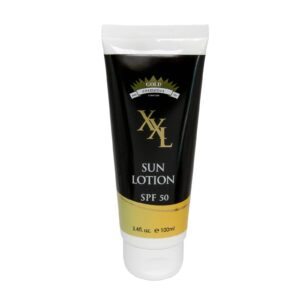
- Sun Block SPF 50 Regular: a white, oil-free, lightweight SPF 50 that protects against UVA and UVB rays and stays water resistant for up to 80 minutes.
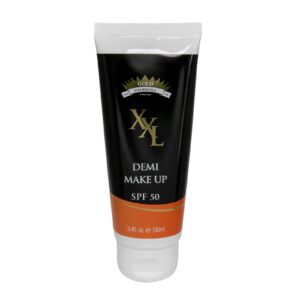
- Sun Block SPF-50 (Demi Makeup) Light Tone: a tinted SPF 50 with a tan color that adjusts to your skin tone, plus UVA and UVB protection.
- Demi Make Up SPF 50 Medium: a tinted, moisture-locking SPF 50 in a medium shade that absorbs quickly without white streaks.
- Mini Sun Block SPF50 (No Color): an untinted, oil-free SPF 50 in a mini format, handy to keep in your bag for reapplying.
Common mistakes
- Wearing sunscreen only in summer: UVA stays strong all year and passes through clouds and windows.
- Applying a thin layer: half the amount gives you far less than the SPF on the label.
- Forgetting to reapply: sweat, touching your face and time all wear sunscreen off.
- Counting on makeup SPF alone: people rarely apply enough foundation to reach the stated protection.
- Skipping sunscreen after exfoliating: freshly exfoliated skin is more sensitive to the sun.
When to see a dermatologist
Sunscreen helps protect your skin, but it does not replace a diagnosis or treatment by a dermatologist. Book a visit if you notice:
- A spot that changes in size, shape or color, or looks unlike your other spots.
- A spot that bleeds, itches, crusts or does not heal.
- A rash, hives or swelling after using a sunscreen.
- Dark patches that appear suddenly or spread fast.
- No change in your pigmentation after three months of daily sun protection and gentle care.
Frequently asked questions
What SPF is best in a sunscreen for hyperpigmentation?
Choose a broad-spectrum SPF of at least 30, as the American Academy of Dermatology recommends. Many people with dark spots or melasma prefer SPF 50 for a little extra margin, since real-life application is often thinner than in lab tests. More important than the number, though, is using enough and reapplying it. A generous layer of SPF 50 does more than a thin layer of a higher number.
Is tinted sunscreen better for hyperpigmentation?
For many people, yes. Tinted formulas usually contain iron oxides, which help block visible light as well as UV rays. Visible light can deepen melasma and dark marks, especially in medium and darker skin tones. If you cannot find a shade that matches, wear an untinted broad-spectrum sunscreen and add a hat and shade for extra protection.
Do I need sunscreen indoors?
If you sit near a window, yes. UVA rays pass through regular window glass and can still darken pigment. If you spend most of the day away from windows, a morning layer is usually enough. Still, it is easier to make sunscreen a daily habit than to decide each morning whether you need it.
Can I use sunscreen for hyperpigmentation during pregnancy?
Daily sunscreen is a smart habit during pregnancy, when melasma often appears. Many people with sensitive skin prefer mineral or tinted formulas at this time. If you have questions about a specific product, or you plan to add any brightening ingredient, acid or retinoid, check with your doctor first. Your doctor knows your full health picture and can guide your choices.
How often should I reapply sunscreen?
Reapply every two hours when you are outdoors, and right after swimming, heavy sweating or towel drying. Water-resistant formulas last 40 or 80 minutes in water, according to the label. On indoor days, one generous morning layer is often enough. Keeping a small sunscreen in your bag makes midday touch-ups much easier.
No brightening routine can outpace daily sun exposure, so make sunscreen the habit you never skip. Pick a formula you like wearing, apply enough and reapply it. You can compare options in our sun protection collection. Not sure which sunscreen for hyperpigmentation fits your skin? Send us a message and we will help you choose.