A good melasma skincare routine is gentle, steady and built around sun protection. Melasma rarely responds to quick fixes, and harsh products often make it look worse. The good news is that simple daily habits can help the patches look lighter and keep them from getting darker.
Melasma is a common skin condition that causes brown or gray-brown patches, most often on the cheeks, forehead, nose and upper lip. Skincare supports your daily care, but it does not replace a diagnosis or treatment by a dermatologist. This guide covers what triggers melasma, a routine you can follow at home and the signs that mean you should book a visit.
Key takeaways
- Sun and visible light are the biggest triggers, so daily tinted sunscreen matters most.
- Heat, hormones and irritation can also darken patches.
- Gentle cleansing and one brightening step at night beat a long list of strong actives.
- Results take months, and melasma can return, so think of it as ongoing care.
- If you are pregnant or breastfeeding, check with your doctor before using any brightening product.
What is melasma and why does it come back?
Melasma happens when pigment cells make too much melanin in certain areas. The patches tend to appear on both sides of the face in a similar pattern. It is more common in women and in people with medium to dark skin tones, although anyone can get it.
Unlike a single sun spot, melasma has several triggers at once. That is why it often returns after it fades. According to the American Academy of Dermatology, melasma sometimes fades on its own, such as after pregnancy, but it can also last for years. So the goal of your melasma skincare routine is long-term control, not a one-time fix.
Common melasma triggers to know
Knowing your triggers helps you protect your results. The most common ones include:
- UV light: even short, daily sun exposure can darken patches over time.
- Visible light: the bright light of the sun can also deepen melasma, especially in darker skin tones.
- Heat: saunas, hot kitchens, hot yoga and long hot showers may make patches more noticeable.
- Hormones: pregnancy, birth control pills and hormone therapy are well-known triggers.
- Irritation: scrubs, harsh peels and products that sting can inflame the skin and lead to more pigment.
You cannot avoid every trigger, of course. But when you know which ones affect you, you can plan around them. For example, you can wear a wide-brimmed hat on sunny days and skip the sauna for a while.
Sun protection: the core of any melasma skincare routine
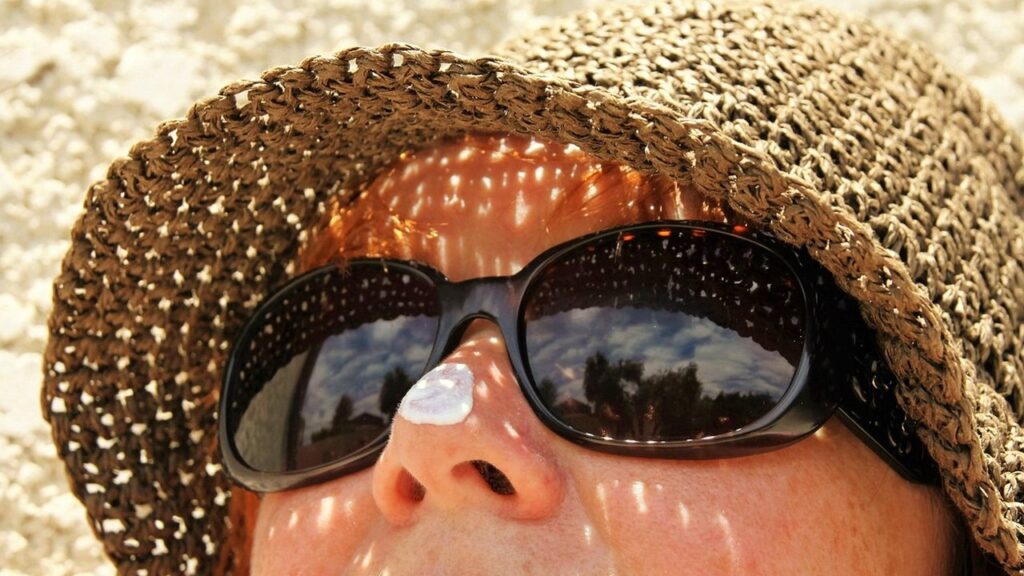
If you only change one thing, make it sunscreen. Use a broad-spectrum SPF 30 or higher every morning, all year, even when you stay indoors near windows. Reapply it every two hours when you are outside.
Tinted sunscreen deserves special attention. The AAD’s melasma self-care advice suggests a tinted sunscreen with iron oxide, because visible light can worsen melasma. A tint also helps blend uneven patches, which is a nice bonus. Our guide to tinted vs. untinted sunscreen explains how to choose one.
A daily melasma skincare routine, step by step
Keep your melasma skincare routine short. Each extra product is one more chance for irritation, and irritation can darken melasma.
- Morning cleanse: wash with a gentle, low-foam cleanser and cool to lukewarm water.
- Hydrating serum: apply a light, fragrance-free serum, such as one with hyaluronic acid.
- Tinted sunscreen: finish with a generous layer of broad-spectrum SPF 30 or higher.
- Midday: reapply sunscreen if you go outside, or use a hat and shade.
- Evening cleanse: remove sunscreen and makeup gently, without scrubbing.
- Brightening step: apply a thin layer of your brightening product to the whole area, as the label directs.
- Moisturizer: seal in hydration with a calm, simple cream if your skin feels dry.
Start the brightening step every other night for two weeks. Then move to nightly use only if your skin stays calm. If you notice stinging, redness or peeling, take a few nights off and use only cleanser and moisturizer.
Ingredients that suit melasma-prone skin
Several cosmetic ingredients can help the look of melasma over time. Here is a quick comparison of the most common ones.
| Ingredient | Main role | How gentle is it? |
|---|---|---|
| Iron oxides (in tinted sunscreen) | Help shield skin from visible light | Very gentle |
| Vitamin C | Antioxidant that brightens the look of dull skin | Usually gentle; may tingle at first |
| Kojic acid and arbutin | Help the look of uneven tone | Moderate; patch test first |
| Azelaic acid | Helps the look of uneven tone and redness | Moderate |
| Glycolic acid | Exfoliates for a brighter look | Can irritate; use with care |
| Hyaluronic acid | Hydrates and supports a calm skin barrier | Very gentle |
Some people prefer to avoid hydroquinone and look for other brightening options. If that sounds like you, read our guide to hydroquinone-free brightening.
Products that fit this routine
These products fit a gentle melasma skincare routine:
- Stubborn Dark Spots Kit: a set of Bleach Soap, Adi Clear, Bleach Cream, Shoval A and Sun Block, put together to help reduce the look of melasma and brown spots, with sunscreen every morning.
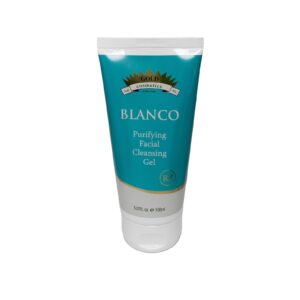
- Blanco Purifying Facial Cleansing Gel: a gentle facial wash gel that cleanses and leaves skin feeling refreshed.
- Hyaluronic Acid From the Sea: a light hydrating serum for the face and neck that helps skin hold moisture, for morning and night use.
- Sun Block SPF-50 (Demi Makeup) Light Tone: a tinted, oil-free SPF 50 with UVA and UVB protection that stays water resistant for up to 80 minutes.
- Bleach Cream: an evening lightening cream for uneven tone. Keep it in the fridge and wear sunscreen every morning while you use it.
If you are pregnant or breastfeeding, check with your doctor before you use the kit or any other brightening product.
Common mistakes in a melasma routine
- Skipping sunscreen indoors or on cloudy days: UVA and visible light still reach your skin.
- Scrubbing or using strong peels at home: irritation can leave melasma darker than before.
- Stopping once the patches fade: melasma often returns, so keep sunscreen and a lighter routine going.
- Ignoring heat: long sauna sessions and hot workouts can undo careful daily care.
- Trying many products at once: if your skin reacts, you will not know which one caused it.
When to see a dermatologist
Melasma is a medical diagnosis, and other conditions can look similar. See a dermatologist if:
- You are not sure the patches are melasma, or they appeared suddenly.
- One patch looks different from the others, changes shape, bleeds or itches.
- Patches spread quickly or appear on areas that rarely see sun.
- Your skin burns, blisters or stays red after using a product.
- Melasma started after a new medicine or hormone treatment.
- Nothing has changed after three months of steady, gentle care.
A dermatologist can confirm the diagnosis and discuss prescription options or in-office procedures that home care cannot offer.
Frequently asked questions
How long does a melasma skincare routine take to work?
Most people need at least three months of daily care before the patches start to look lighter. Some need longer, especially if the melasma has been there for years. The American Academy of Dermatology notes that visible results usually take 3 to 12 months. Daily sunscreen protects that progress, so a single sunny weekend without it can set you back.
Can melasma go away on its own?
Sometimes. Melasma linked to pregnancy may fade in the months after birth. Melasma linked to a medicine may fade after you stop it with your doctor’s guidance. In many people, though, it lasts for years. That is why a simple, long-term routine with daily sun protection works better than short bursts of strong products.
Can I follow a melasma skincare routine while pregnant?
Gentle cleansing, a simple moisturizer and daily sunscreen are good habits during pregnancy. Still, check with your doctor before using any brightening product, acid or retinoid. Pregnancy is a common melasma trigger, and many patches fade after birth. Your doctor or dermatologist can tell you which active ingredients are a good fit and when it makes sense to start them.
Does heat make melasma worse?
Many people with melasma notice that heat makes their patches more visible. Saunas, steam rooms, hot yoga and cooking over a hot stove are common examples. You do not have to give these up forever. Still, if your melasma is active, try shorter sessions, cool your skin afterward and watch how your patches respond.
Can I use glycolic acid on melasma?
You can, but go slowly. Glycolic acid can help skin look brighter, yet it can also irritate, and irritation may darken melasma. Start once a week on calm skin, never on the same night as another strong active. Always wear sunscreen the next day. If it stings or burns, stop and ask a dermatologist for advice.
Living with melasma means playing the long game. Protect your skin every day, keep things gentle and give your routine months, not weeks. You can explore our melasma products to build your own melasma skincare routine. Not sure which products fit your skin? Send us a message and we will help.