Dark circles and puffy eyes are some of the most common reasons people buy an eye cream. They often show up together, but they have different causes, and that changes what helps.
This guide explains how to tell which type you have and which daily habits make the biggest difference. It also covers what an eye cream can realistically do, and when a doctor should take a look instead.
Key takeaways
- Dark circles come from pigment, visible blood vessels, thin skin or shadows, and many people have a mix.
- Puffiness is mostly fluid, so it changes with sleep, salt, alcohol and allergies.
- Daily sunscreen and sunglasses protect the thin skin around your eyes.
- Eye creams can hydrate and brighten the look of the area, but they can’t remove bags or fill hollows.
- Sudden swelling, pain or changes in vision need a doctor, not a cream.
Dark circles and puffy eyes: two different problems
The skin under your eyes is some of the thinnest on your body. That is why it shows tiredness, pigment and fluid sooner than the rest of your face. Knowing the cause helps you pick the right care.
Common causes of dark circles
- Pigment: brown circles are more common in medium and deeper skin tones, and they often run in families.
- Visible blood vessels: thin skin lets bluish or purple vessels show through, especially when you are tired.
- Shadows: hollows under the eyes, or bags above them, cast a shadow that looks like a dark circle.
- Rubbing: itchy eyes from allergies lead to rubbing, which can darken the skin over time.
- Age: skin thins and loses volume, so hollows slowly deepen.
Common causes of puffy eyes
- Fluid that builds up after a salty meal, alcohol or a short night.
- Sleeping flat on your face or stomach, because fluid pools around the eyes.
- Allergies, including hay fever or a reaction to a new product.
- Crying, which brings temporary swelling.
- Age, since the tissue that holds fat around the eye weakens and bags form.
How to tell which kind of dark circles under your eyes you have
Stand in front of a mirror in daylight and look straight ahead. Then try these simple checks.
- Gently stretch the skin. When the color fades, vessels or thin skin are the main cause, but pigment is likely if it stays.
- Tilt your head toward the light. If the darkness disappears, it is probably a shadow from a hollow or a bag.
- Look at the color. Brown suggests pigment, while blue or purple suggests vessels.
- Notice the timing. When it is worse in the morning and better by noon, fluid is part of the picture.
Many people have more than one type. That is normal, and it is also why one product rarely solves everything.
A daily under-eye routine for dark circles and puffy eyes
This routine is gentle enough for most people. Use light products, and always apply them with your ring finger, since it has the softest touch.
- In the morning, splash your face with cool water, or hold a cool, damp cloth on closed eyes for a minute.
- Next, tap a small amount of eye cream along the bone under your eye.
- Then apply sunscreen around the eye area, keeping it away from the lash line.
- Wear sunglasses outdoors, because squinting and UV both age this area.
- At night, remove eye makeup gently, without rubbing or pulling.
- After that, apply your eye cream at least 15 minutes before bed, so it settles and doesn’t drift into your eyes.
- Finally, sleep with your head slightly raised on an extra pillow if you often wake up puffy.
Sun protection matters more here than most people think. The Skin Cancer Foundation explains that most eyelid skin cancers appear on the lower lid. Its page on protecting your eyes and eyelids from the sun shows how to choose UV-blocking sunglasses.
Quick fixes for puffy eyes and dark circles
Some days you simply need to look more awake. These tricks work fast, although the effect doesn’t last.
- Cold compress: a cool cloth or chilled spoons for a few minutes can make swelling look calmer.
- Less salt and alcohol: both make you hold water, so cut back in the evening before an important day.
- Allergy care: if your eyes itch, ask a pharmacist or doctor about allergy relief, and stop rubbing.
- Color correcting: a peach concealer evens out blue tones, while a slightly lighter shade brightens brown ones.
- Sleep: enough rest won’t fix pigment, but it helps the tired, hollow look.
Which eye products help dark circles and puffy eyes
No product works for every type. So match the product to the cause you saw in the mirror.
| Concern | What may help | What to expect |
|---|---|---|
| Brown pigment | Brightening eye cream, sunscreen, sunglasses | Gradual fading over months |
| Blue or purple tone | Hydrating eye cream, concealer, good sleep | A better look, but genetics limit change |
| Morning puffiness | Cold compress, light eye cream, less salt | A calmer look within minutes to hours |
| Hollows and bags | Moisturizer for comfort, in-office options for structure | Creams can’t fill hollows or remove fat |
If you are pregnant or breastfeeding, check with your doctor before using brightening agents or retinoids near your eyes. Also patch test anything new, because this area reacts easily. Our guide to patch testing and sensitive skin shows how to do it.
Products that fit this routine
The eye area needs light textures and a gentle touch. These products are made for this zone, and each one goes on in a thin layer.
- Wrinkled Eye Kit: pairs Bleach Soap, Eye Lifting Serum, Anti Puff cream and SPF 50 sunblock in a morning and night routine for the look of puffiness and dark circles.
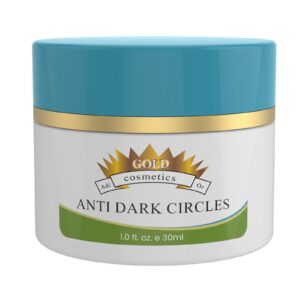
- Anti Dark Circles: a cream that is not too greasy, moisturizes the under-eye area and helps brighten the look of dark circles.
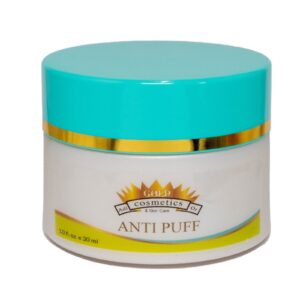
- Anti Puff: a lightweight, oil-free cream for the puffy area, applied twice a day in a very thin layer.
- Eye Lifting Serum: gives intensive moisture to the skin around the eyes and helps smooth the look of rough skin.
- Collagen & Mineral Gold Eye Cream: a collagen eye cream that helps the area look firmer and more awake, tapped on in small dots.
For the rest of your face, our anti-aging routine by age shows where eye care fits.
Common mistakes
- Rubbing your eyes, which can darken the skin and add to puffiness.
- Applying eye cream right up to the lash line, so it moves into your eyes and causes swelling.
- Using strong face actives around the eyes without checking that they suit this area.
- Skipping sunscreen and sunglasses, although this skin burns and pigments easily.
- Expecting a cream to remove bags, when structure and fat pads need a professional.
When to see a doctor
Most under-eye darkness and puffiness is harmless. Still, see a doctor or dermatologist if you notice any of these signs:
- Swelling around one eye only, or swelling that comes on suddenly.
- Pain, redness, warmth or fever along with the swelling.
- Changes in your vision, or eyes that seem to bulge forward.
- Puffiness that stays all day, especially with swollen ankles or unusual tiredness.
- An itchy, scaly rash on the eyelids, which may point to an allergy or eczema.
- A new bump, sore or spot on the eyelid that doesn’t heal.
Frequently asked questions
Can eye cream get rid of dark circles under the eyes?
An eye cream can help, but it rarely makes dark circles disappear. Brightening ingredients may fade the look of brown pigment over a few months, and hydration makes thin skin look smoother. However, circles caused by blood vessels, genetics or hollows respond much less to creams. Daily sunscreen, sunglasses and concealer usually complete the picture.
Why are my eyes puffy every morning?
While you sleep, fluid can collect in the loose tissue around your eyes, especially if you sleep flat or face down. Salty food, alcohol and allergies make it worse. Usually the puffiness settles within an hour or two once you are upright. If it lasts all day or affects only one eye, see a doctor.
Does lack of sleep cause dark circles?
Poor sleep makes skin look paler, so vessels and shadows under the eyes show more. It can also add puffiness. Even so, many dark circles come from genetics, pigment or the shape of the eye area, so they stay even when you sleep well. Good sleep helps the tired look, but it won’t change your bone structure.
Is it safe to use a brightening cream under the eyes?
Only if the product is meant for the eye area. The skin there is thin and reacts easily, so strong face products can sting or cause swelling. Patch test first, apply a thin layer along the bone rather than close to the lashes, and stop if it burns. If you are pregnant or breastfeeding, ask your doctor before using brightening agents.
Do cold spoons really help puffy eyes?
Cold helps fluid move and narrows small vessels for a short time, so puffiness can look calmer within minutes. Chill a spoon or a damp cloth in the fridge, never the freezer, and hold it on closed eyes for a minute or two. The effect is temporary, but it is a useful trick before an important day.
Dark circles and puffy eyes respond best to a gentle, steady routine rather than strong products. Browse our eye treatments collection for creams and serums made for this area. Not sure which products fit your skin? Send us a message and we will help you choose.